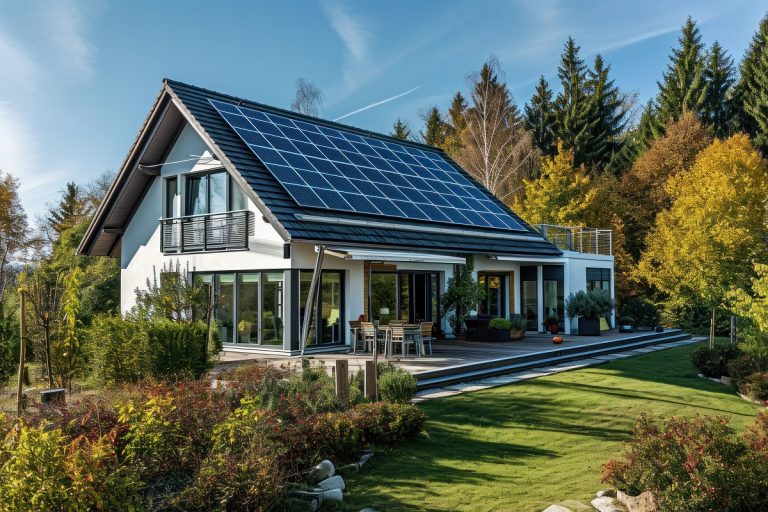
Most homeowners think about their property in terms of what it looks like, not how it actually works day to day. But the additions that make the biggest difference are often the ones that solve real problems: water getting where it shouldn’t, systems that fail at the worst time, or outdoor space that never gets used because it isn’t set up right. Whether you are planning a single upgrade or mapping out a multi-year plan, understanding how these changes affect function, not just curb appeal, will help you spend your money where it counts. This guide breaks down the outdoor additions and repairs that genuinely change how a property performs.
Exterior Siding Materials That Hold Up Over Time
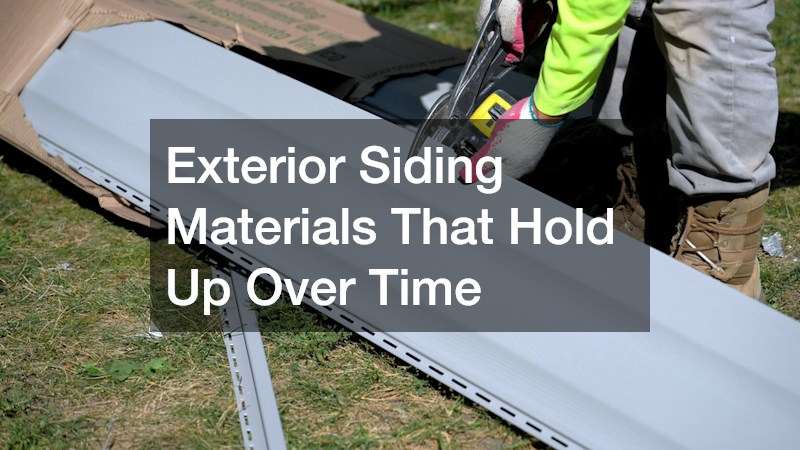
The siding on your home does more than establish curb appeal; it is the first line of defense against wind, moisture, and temperature swings. Fiber cement products, commonly known as hardie board siding, have become popular because they resist rot, pests, and fire far better than wood or vinyl alternatives. Homeowners in climates with heavy rain or intense sun often find that this material holds its paint and shape for decades with minimal upkeep.
Beyond durability, the right siding choice affects energy efficiency and moisture control inside the walls. Poorly installed or aging siding allows water to seep behind the surface, leading to hidden rot that is expensive to fix. Choosing a proven material and having it installed correctly from the start saves significant money over the life of the home.
- Fiber cement holds up in high humidity and coastal environments
- Proper flashing and installation prevent moisture intrusion
- Low maintenance compared to wood siding that needs regular repainting
- Can improve resale value due to buyer preference for durable exteriors
Cooling System Upkeep That Prevents Summer Breakdowns
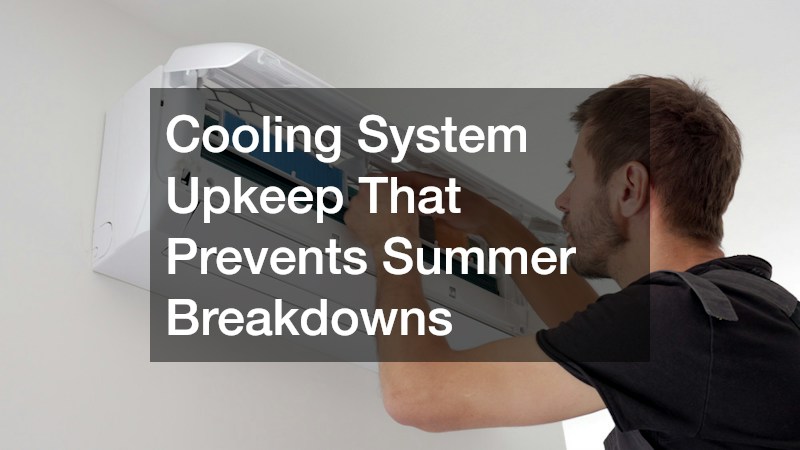
A functioning cooling system is not just about comfort, it is about protecting the rest of your home from humidity damage and protecting your family during extreme heat. When units are neglected, minor issues turn into major failures right when the system is working hardest. Scheduling AC repair before the peak of summer, rather than waiting for a breakdown, keeps small problems from becoming expensive emergencies.
Many homeowners do not realize how much strain a poorly maintained outdoor unit puts on the rest of the property’s electrical and ductwork systems. Debris buildup, refrigerant leaks, and worn components all reduce efficiency and shorten the lifespan of the equipment. Routine seasonal checks catch these issues early, which is far cheaper than replacing an entire system.
- Clean coils and clear debris around outdoor units regularly
- Replace air filters every one to three months during heavy use
- Watch for unusual noises or reduced airflow as early warning signs
- Schedule a professional inspection before summer temperatures peak
Hidden Water Problems That Undermine Structural Integrity
Water damage is one of the most expensive problems a property can face because it often goes unnoticed until the damage is extensive. Modern leak detection technology allows homeowners to identify slow leaks in pipes, foundations, and irrigation systems before they cause structural harm. These tools range from simple moisture meters to advanced acoustic sensors that pinpoint leaks behind walls or underground.
Catching a leak early can mean the difference between a quick pipe repair and a full remediation project involving mold removal and foundation repair. Homeowners who invest in proactive monitoring, especially in older homes or properties with a history of plumbing issues, often save thousands of dollars over time. It is worth treating water monitoring as a routine part of home maintenance rather than an afterthought.
- Install smart water sensors near washing machines, water heaters, and sump pumps
- Check outdoor spigots and irrigation lines for slow leaks each spring
- Monitor water bills for unexplained increases that suggest hidden leaks
- Address discoloration or musty odors immediately rather than waiting
Backyard Living Spaces Built for Everyday Use
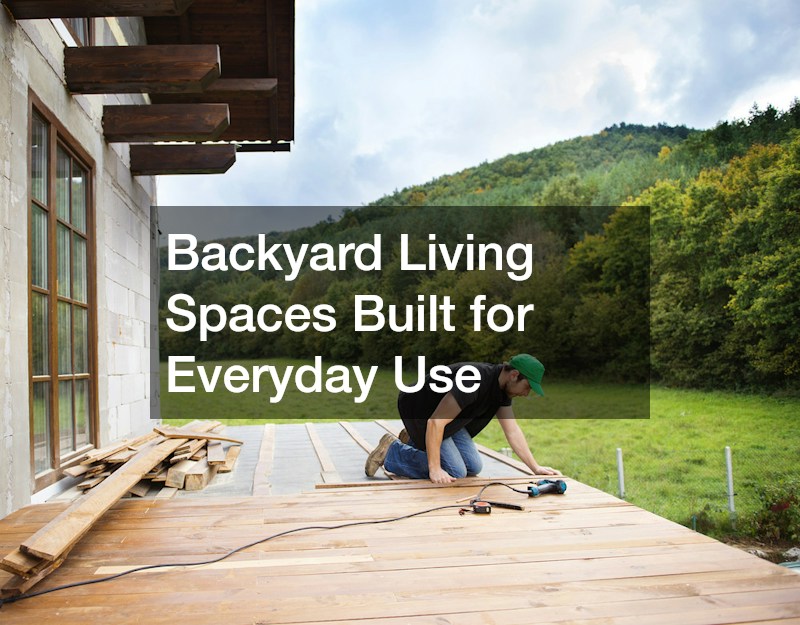
An outdoor deck can transform how a family actually uses their yard, turning an underused space into a functional extension of the home. Working with an experienced deck contractor ensures the structure is built to handle local weather, proper drainage, and the specific load requirements of furniture, grills, or hot tubs. A well-designed deck also considers sun exposure and privacy, so the space gets used throughout the year rather than just a few weeks in summer.
Material choice matters as much as design when it comes to long-term function. Composite decking requires less maintenance than traditional wood, while pressure-treated lumber offers a lower upfront cost but demands regular sealing and staining. Whatever material is chosen, proper footings and ledger board attachment are critical for safety and longevity.
- Composite decking resists warping, splintering, and insect damage
- Proper drainage prevents water pooling that leads to premature rot
- Railing and stair codes vary by municipality and should be confirmed before building
- Adding shade structures extends usable time during hot months
Garage Door Mechanics That Affect Daily Safety
The garage door is one of the most frequently used mechanical systems on a property, and its springs bear enormous tension to lift and lower a heavy door safely. When a spring wears out or snaps, it can cause the door to become unbalanced or even fall unexpectedly, creating a serious safety hazard. Garage door spring repair should always be handled with caution, since these components store significant energy and improper handling can cause injury.
Regular inspection of the springs, cables, and rollers extends the life of the entire garage door system and prevents it from becoming a weak point in home security. A door that struggles to open smoothly is often signaling that the springs are close to failing rather than just needing lubrication. Addressing this early avoids being locked out of the garage or dealing with a door that won’t close properly overnight.
- Listen for grinding or popping sounds during operation
- Check for visible gaps or stretching in the spring coils
- Test the door balance by disconnecting the opener and moving it manually
- Replace both springs at the same time even if only one has failed
Roof Systems That Protect Everything Underneath Them
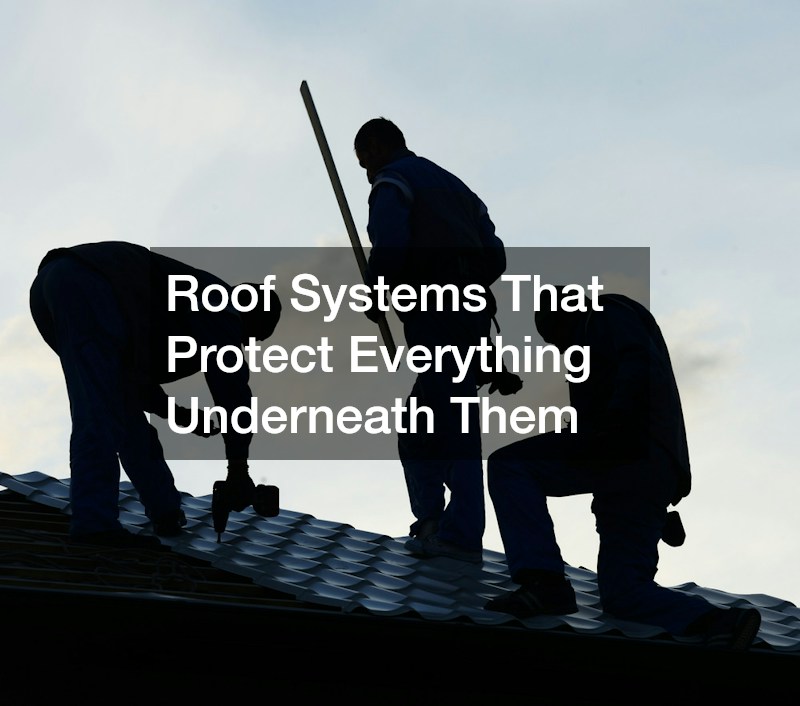 The roof is arguably the single most important structural component of any property, since its failure affects insulation, electrical systems, and interior finishes all at once. A small leak that goes unnoticed for even a few months can rot decking, warp drywall, and encourage mold growth in places you can’t easily see. Reputable roofing companies typically start with a thorough inspection to identify weak points before recommending a full replacement versus a targeted repair. This usually means checking flashing around chimneys and vents, examining the attic for water stains or daylight gaps, and assessing whether shingles are curling, cracking, or losing granules. Age, material type, and local climate all play a role in determining which option makes more financial sense. Asphalt shingle roofs generally last 20 to 25 years, while metal roofing can stretch past 40 to 50 years with proper maintenance, so a 15-year-old asphalt roof showing wear is a very different conversation than a metal one at the same age. Climate matters just as much as age. Homes in areas with heavy snowfall need adequate load capacity and ice-dam protection, while properties in hot, sun-heavy regions benefit from reflective materials that reduce attic heat buildup and lower cooling costs. Getting these details right upfront saves homeowners from paying for repairs that only delay an inevitable, more expensive replacement.
Minor issues like cracked shingles, damaged flashing, or a few missing granules can often be handled through roof repair rather than a full replacement, saving homeowners thousands of dollars if caught early. A localized repair might cost a few hundred dollars, while a complete tear-off and replacement can run into the tens of thousands depending on the home’s size and materials. Catching problems at the repair stage rather than the replacement stage is one of the simplest ways to protect a home’s overall budget. Ignoring small leaks, however, allows water to travel along rafters and settle in unexpected places, sometimes far from the original entry point. This hidden movement leads to rot in structural wood, mold growth, and insulation that loses its effectiveness once it becomes damp. By the time stains appear on a ceiling, the damage underneath has often been developing for months. A proactive inspection schedule, especially after major storms, hailstorms, or high winds, helps homeowners catch problems while they are still manageable. Twice-yearly checkups, in spring and fall, are generally enough for most climates, though homes in areas prone to severe weather may benefit from additional inspections after any significant event. Attention should focus on flashing around chimneys and vents, granule loss in gutters, and soft spots on the roof deck. Keeping a simple log of inspection dates and findings also makes it easier to spot recurring trouble areas before they turn into costly repairs.
- Inspect shingles for curling, cracking, or missing granules each spring and fall, paying close attention to south- and west-facing slopes where sun exposure is harshest
- Check attic spaces for signs of water staining, musty odors, or daylight coming through the roof deck, since these often signal leaks long before ceiling stains appear
- Clear gutters regularly, ideally twice a year and after major storms, to prevent water backup under roofing edges and ice dams in winter
- Examine flashing around chimneys, skylights, and vent pipes, as these seams are common leak points even when shingles look fine
- Get a professional inspection after hailstorms or high wind events, and consider a routine checkup every 3-5 years even without obvious damage
- Trim overhanging branches to reduce debris buildup and prevent limbs from scraping or puncturing the roof surface during storms
Kitchen and Laundry Equipment That Keeps a Household Running
While not technically an outdoor addition, the equipment inside a home directly affects how the property functions as a whole, and working with a knowledgeable appliance dealer helps homeowners choose products suited to their actual usage patterns. Energy-efficient models can reduce utility costs significantly over their lifespan, especially for large appliances like refrigerators, washers, and dryers that run frequently. Choosing the right size and capacity for a household avoids the common mistake of buying units that are either underpowered or unnecessarily large.
Proper installation and maintenance also affect how well these systems integrate with the rest of the home’s electrical and plumbing infrastructure. A dryer vent that is improperly installed, for example, can create fire risks and reduce efficiency dramatically. Homeowners should factor in delivery, installation, and warranty support when comparing options rather than focusing on price alone.
- Compare energy star ratings before purchasing major appliances
- Confirm venting and electrical requirements match your home’s setup
- Ask about extended warranty and service plans for high-use appliances
- Measure doorways and hallways before purchase to avoid delivery issues
Storage Solutions That Free Up Usable Space
A dedicated outdoor structure can solve one of the most common property frustrations: not having enough space for tools, equipment, or seasonal items without cluttering the garage or basement. Working with a storage shed builder allows homeowners to customize size, materials, and layout to match specific needs, whether that means housing lawn equipment or creating a small workshop. A well-placed shed also takes pressure off attached garages, freeing that space for vehicles or additional living area conversions.
Foundation type matters more than most people expect when it comes to shed longevity. A shed built directly on the ground without proper footing will shift, settle unevenly, and invite moisture damage within a few years. Choosing a gravel pad, concrete slab, or elevated skid foundation based on local soil and drainage conditions extends the life of the structure considerably.
- Match shed size to actual storage needs rather than guessing
- Choose a foundation type suited to local soil and drainage conditions
- Add ventilation to prevent moisture buildup and mold growth
- Consider proximity to the house for convenience versus zoning setback requirements
Property Boundaries That Improve Privacy and Security
Installing fencing changes far more than the appearance of a yard; it affects privacy, pet containment, security, and even how children and guests use outdoor space. Material choice plays a major role in long-term performance, with options like vinyl, wood, and aluminum each offering different tradeoffs between cost, maintenance, and durability. Homeowners should also consider local regulations regarding height limits and property line surveys before installation begins.
Beyond the practical benefits, a well-installed fence can increase how much a family actually uses their yard by creating a defined, secure space for children, pets, and outdoor gatherings. Gates and hardware quality matter just as much as the fencing material itself, since poorly built gates are the most common failure point over time. Investing in solid posts and proper spacing prevents sagging and keeps the structure functional for decades.
- Confirm property lines with a survey before installing new fencing
- Choose materials based on climate, maintenance tolerance, and budget
- Check local height and setback regulations before finalizing plans
- Reinforce gate hardware to prevent sagging over time
Improving how a property functions does not require tackling every project at once, but it does require understanding which systems have the biggest impact on daily life and long-term value. Start by addressing whichever area currently causes the most frustration, whether that is an unreliable cooling system, a cluttered yard, or an aging roof, and build outward from there. Prioritizing function over appearance now will save significant time, money, and stress down the road.
About the Author