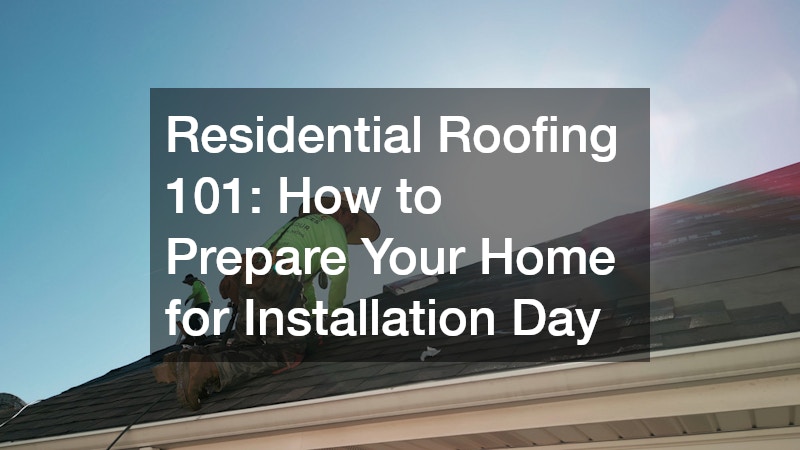
When it comes to residential roofing, the process of replacing or installing a new roof can be both exciting and intimidating. This task involves significant investment and requires a bit of preparation to ensure everything goes smoothly.
From selecting the right materials to preparing your home and family, there are several key factors to consider in anticipation of installation day.
Choosing the Right Residential Roofing Materials
Selecting the appropriate materials is a crucial first step in residential roofing. Each material offers different benefits, such as durability, energy efficiency, and aesthetic appeal. Asphalt shingles are a popular choice due to their affordability and ease of installation, while metal roofing is valued for its longevity and sustainability. Regardless of the material, make sure it aligns with the architectural style of your home and climate considerations. Consulting with a roofing expert can provide insights into the best materials suited for your specific needs.
It’s important to consider the longevity and warranty of the roofing materials. High-quality materials may come with extended warranties, sometimes lasting for decades, which can offer peace of mind. Also, consider the overall maintenance requirements of the roofing material you choose. Some materials, like metal and tile, require less maintenance and are more resistant to environmental wear and tear. An informed decision can lead to significant value addition to your home’s resale value.
Remember to integrate energy efficiency into your selection process. Certain roofing materials reflect more sunlight and absorb less heat, a feature that can reduce your energy bills dramatically over time. Cool roofing materials can significantly help in reducing the amount of energy needed to cool your home during the hot months. Discuss energy efficiency topics with your contractor to ensure you are making the best choice for both environmental and economic savings.
Preparing Your Home for Roofing Installation
Before your residential roofing project begins, prepare both the interior and exterior of your home. Start by removing valuable or fragile items from shelves and walls to prevent any damage caused by vibrations during the construction process. Additionally, clear the area surrounding your house from vehicles, lawn furniture, and any items that may obstruct the volume of construction traffic and equipment.
Preparing the site may require additional safety precautions, like covering plants and garden areas with a tarp or protective cloth to prevent debris damage. Inform your neighbors about the upcoming project, as the noise and dust might be disruptive. Additionally, confirming all the proper permits are in place with your contractor can smooth out unexpected interruptions that might otherwise delay the project.
Consider engaging with your contractor about any pets or small children living in the home. The arrival of construction workers and loud noises that accompany the roofing process can be unsettling. A comprehensive discussion should include working hours, the expected duration of the project, and plans to ensure safety and peace during the construction phase. Proactively setting up contingency plans will help mitigate many surprises.
Understanding the Roofing Installation Process
Familiarizing yourself with the residential roofing installation process can alleviate stress and anxiety as the big day arrives. Initially, the old roofing material will be removed to provide a clean slate for the new materials. This phase might be more involved than expected, particularly if there is unexpected damage or rot that needs addressing before commencing the new roof installation.
Once the old roofing materials are removed and any necessary repairs to the underlayment are made, the installation of the new roofing materials begins. This step-by-step process is usually methodical, ensuring that every layer of materials is properly placed to ensure longevity and maximize performance. It’s beneficial to be on-site or available to answer contractor queries swiftly to keep the project timeline intact.
Post-installation inspections are crucial. These inspections verify that the residential roofing installation is both safe and compliant with local regulations. As the roof is a major component of your home’s structure, ensuring it has been installed correctly will help safeguard against leaks and weather-related damage. This assurance can only further enhance your home’s security, leading to its enhanced market value and curb appeal.
Ensuring a Successful Roofing Experience
Preparing well for residential roofing installation day ensures a smooth and stress-free process. It involves careful selection of materials, thorough preparation of your surroundings, and clear communication with professionals handling the installation. Understanding and planning for everything on installation day reflects the commitment to one of your most significant home improvements.
Throughout this article, we have emphasized preparation, which plays a pivotal role in ensuring a successful roofing experience. With an organized plan in place, you can navigate any unforeseen challenges that arise during the installation. In turn, this foresight will not only protect your investment but also enhance the longevity and performance of your new roof.
The final set-up and clean-up processes should leave your home with not only a fresh look but increased resilience against the elements. Your proactive efforts lead to a seamless transition into the new roofing phase, adding comfort and a sense of pride to your dwelling. Embrace the change, and enjoy the long-term benefits that come with investing in residential roofing improvement.

About the Author