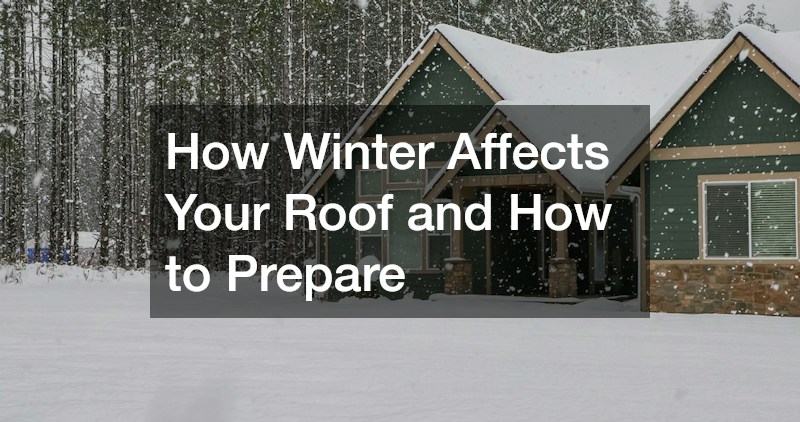
Winter brings cold temperatures, heavy snow, freezing rain, and bitter winds that put immense stress on every part of a residential home. Among all exterior structures, the roof bears the heaviest burden during the winter months. Freezing conditions exacerbate existing minor issues, transforming small, unnoticed cracks into costly structural damage. Understanding how harsh weather impacts your roofing system and taking proactive steps to prepare can save you significant time, stress, and expense when cold weather arrives.
The Impact of Snow and Heavy Ice Load
Accumulated snow and ice add immense physical weight to a home’s structure. While roofs are engineered to support a standard amount of weight, repeated heavy snowfalls without thawing periods can test these structural limits.
Wet, heavy snow places severe stress on rafters, trusses, and decking. Over time, this weight can cause subtle sagging, structural fatigue, or even catastrophic leaks if the structural framing is compromised.
In addition to physical weight, ice formation creates direct physical damage to roofing materials. When water settles into minor gaps or cracks in asphalt shingles and freezes, it expands. This freeze-thaw cycle pushes shingles apart, loosens granules, and exposes the sensitive underlayment beneath to moisture infiltration.
The Threat of Ice Dams
Ice dams represent one of the most common and destructive winter hazards for homeowners. An ice dam forms when heat escaping from an under-insulated attic warms the upper portion of the roof, melting the snow sitting above it. As this melted snow flows down toward the unheated eaves and gutters, it refreezes in the colder outdoor air, creating a solid ridge of ice.
Subsequent snowmelt pools behind this ice barrier. Because the water cannot drain off the roof, it backs up under the shingles, seeping directly into the attic, ceiling, and interior walls. Water damage from ice dams quickly destroys insulation, ruins drywall, and fosters mold growth.
Freezing Temperatures and Gutters
Gutters play a vital role in directing water safely away from your home’s foundation and siding. During winter, clogged or sagging gutters become a major hazard. Leaves, pine needles, and debris trapped in gutters prevent proper drainage, allowing trapped water to freeze into heavy solid blocks.
This added weight can pull gutters away from the fascia boards, bending the metal and damaging the roof edge. Furthermore, standing ice near the roof edge accelerates ice dam formation and accelerates wood rot along the eaves.
Inspect and Clean Gutters Before the Freeze
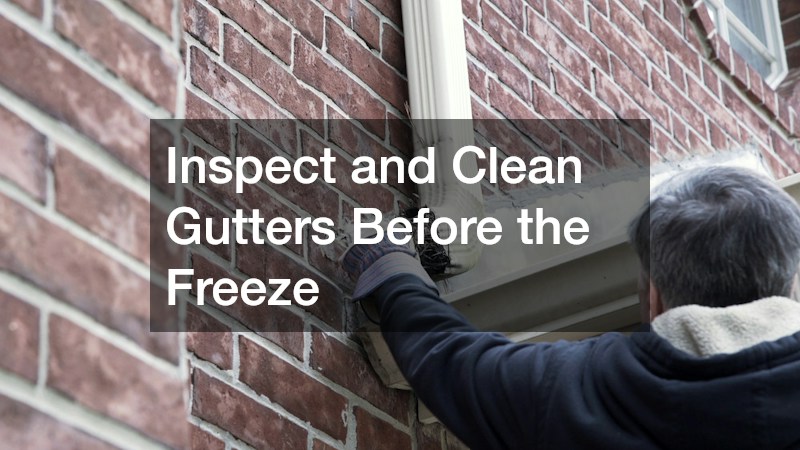
Preparing your roof for winter begins with thorough maintenance before the first major freeze. Cleaning your gutter system completely in late autumn is an essential maintenance task. Removing leaves, twigs, and sediment ensures that melting snow can flow freely off the roof and down the spouts.
While cleaning, ensure downspouts direct water at least three to five feet away from the foundation. Inspect gutter brackets and hangers to confirm they are securely anchored and capable of supporting potential winter loads.
Check Attic Insulation and Ventilation
Preventing ice dams requires controlling the temperature of your roof surface from the inside out. Proper attic insulation keeps indoor heat inside living spaces rather than escaping into the attic space. Adding adequate insulation stops heat from rising through the ceiling and heating the roof deck.
Equally important is maintaining balanced attic ventilation. Soffit, ridge, and gable vents allow cool outdoor air to circulate through the attic, keeping the roof temperature uniform. This consistent surface temperature prevents the uneven melting and refreezing process that triggers ice dam creation.
Schedule a Professional Roof Inspection
While visual checks from the ground can highlight obvious issues like missing shingles, a professional assessment provides complete peace of mind. Partnering with local roofing companies allows trained technicians to identify subtle vulnerabilities, such as cracked flashing, worn sealant, or loose shingles, before freezing weather makes repairs difficult.
Reliable local roofing companies have specialized equipment and experience to safely navigate roof surfaces and spot hidden structural weaknesses. Getting repairs completed during autumn ensures your home remains completely sealed against moisture, wind, and freezing temperatures.
Trim Overhanging Tree Branches
Trimming surrounding trees is another critical preventive step. Snow and ice accumulation can cause heavy branches to bend or snap, falling directly onto the roof deck and causing severe structural impact damage.
Furthermore, branches hanging close to the roof provide easy access for squirrels and other pests seeking warm shelter in your attic during cold months. Trimming branches back several feet from the roofline protects shingles from physical impact and keeps unwanted pests at bay.
Taking time to prepare your roof before severe weather hits is the best way to safeguard your investment. By addressing gutters, attic conditions, tree limbs, and minor structural repairs early, you protect your home from severe leaks, structural strain, and unexpected expenses. If you suspect your roof has existing damage or needs a seasonal checkup, consulting experienced local roofing companies ensures your home stays safe, warm, and secure all winter long.
About the Author