Homes are constantly exposed to changing weather conditions, shifting seasons, and environmental stressors that slowly impact their structure, efficiency, and safety. From heavy rain and snow to heat waves, windstorms, and soil movement, every part of a home is affected over time. Without consistent maintenance, these forces can cause costly damage that often starts with small, unnoticed issues.
Protecting a home from environmental damage is not about reacting to problems after they occur, but about identifying vulnerabilities early and reinforcing systems before failure. The roof, exterior walls, drainage systems, landscaping, and mechanical systems all work together to preserve structural integrity and comfort. When one area weakens, it often creates a ripple effect throughout the property.
This guide breaks down the most important areas of home protection and provides actionable steps homeowners can take to reduce damage, extend the lifespan of their systems, and maintain long-term property value.
Reinforcing Roof Systems Before Severe Weather Hits
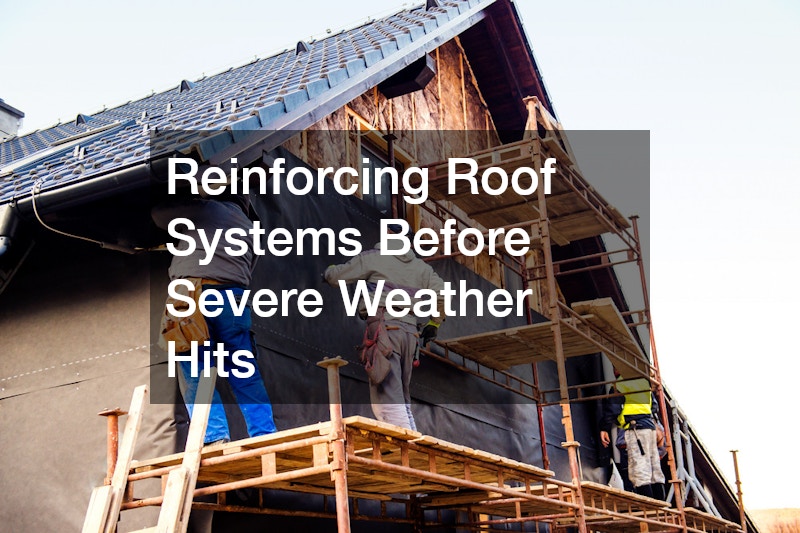
Roofs are among the most vulnerable parts of any home because they take the full brunt of weather conditions year-round. High winds, hail, heavy snow, ice buildup, and prolonged UV exposure gradually weaken shingles, flashing, sealants, and underlying structural components. Over time, this constant exposure can lead to hidden weaknesses that are not immediately visible from the ground but can quickly escalate into major repairs during the next severe weather event. Even small vulnerabilities, such as slightly lifted shingles or aging sealant around vents, can allow moisture to penetrate and compromise the roof deck beneath.
Working with local roofers ensures thorough inspections tailored to regional weather patterns. Professionals familiar with local climate risks understand how seasonal storms, humidity levels, and temperature swings impact roofing materials over time. They can identify early warning signs that homeowners might overlook, such as subtle sagging areas, weakened flashing around chimneys, or granule loss on shingles that indicates aging protection layers.
Roofing services play a key role in both prevention and restoration. Regular inspections and timely repairs can prevent small issues, such as lifted shingles or minor leaks, from becoming structural damage. In addition, professionals can assess whether targeted repairs are sufficient or if partial replacement is necessary to maintain long-term stability.
In many cases, roofing experts also provide guidance on improving ventilation and insulation, which helps reduce heat buildup in the attic and prevents ice dam formation during winter months. These preventive measures not only extend the roof’s lifespan but also improve overall energy efficiency throughout the home.
Additional actionable steps to protect your roof:
- Inspect roof valleys and flashing after storms for early signs of separation
- Trim overhanging branches to prevent impact damage during high winds
- Check for clogged roof vents that can trap moisture inside the structure
- Monitor roof age and plan replacement timelines before failure occurs
- Look for uneven shingle coloration, which may indicate sun damage or moisture retention
Long-term roof protection depends on consistent monitoring, preventative maintenance, and quick intervention when issues are detected. Even minor damage can escalate rapidly if left unaddressed during repeated weather exposure, especially when multiple seasonal stressors compound over time.
Maintaining Heating and Cooling Efficiency in Extreme Temperatures
Indoor comfort systems are heavily influenced by outdoor temperature fluctuations. Hot summers and freezing winters force heating and cooling systems to work harder, increasing wear, energy consumption, and the likelihood of unexpected breakdowns. Over time, this constant strain can reduce system efficiency, shorten equipment lifespan, and lead to inconsistent indoor temperatures, affecting overall comfort and air quality. When systems are pushed to their limits without proper maintenance, small inefficiencies quickly become larger performance issues.
HVAC services help ensure that systems remain efficient and reliable throughout seasonal transitions. Routine maintenance reduces the risk of breakdowns during peak usage periods by keeping components clean, calibrated, and functioning at optimal capacity. Technicians can also identify early warning signs such as failing motors, refrigerant issues, or airflow restrictions that homeowners may not notice until the system stops performing effectively.
When systems are neglected, airflow becomes restricted, components overheat, and energy bills rise significantly. This often leads to uneven heating or cooling throughout the home, forcing the system to run longer cycles just to maintain basic comfort levels. In extreme weather conditions, this inefficiency becomes even more noticeable and costly.
Key strategies for system protection:
- Replace air filters every 1–3 months, depending on usage
- Schedule seasonal tune-ups before summer and winter peaks
- Keep vents and registers unblocked for proper airflow
- Inspect outdoor units for debris buildup or obstruction
- Monitor unusual noises or inconsistent temperature control
- Clean surrounding areas to ensure proper ventilation around equipment
Additional considerations:
- Poor insulation can force systems to overwork, especially in older homes with air leaks around windows and doors
- Thermostat calibration impacts energy efficiency and can cause unnecessary cycling if readings are inaccurate
- Duct leaks can reduce system performance significantly by allowing conditioned air to escape before reaching living spaces
- Aging equipment may struggle to maintain efficiency even with regular maintenance, signaling the need for upgrades
A well-maintained system not only improves comfort but also reduces long-term repair costs and extends equipment lifespan. Consistent attention to both maintenance and home insulation ensures that heating and cooling systems operate efficiently, even during extreme seasonal temperature swings, reducing strain on equipment and improving overall energy performance year-round.
Preventing Water Damage Through Early Plumbing Intervention
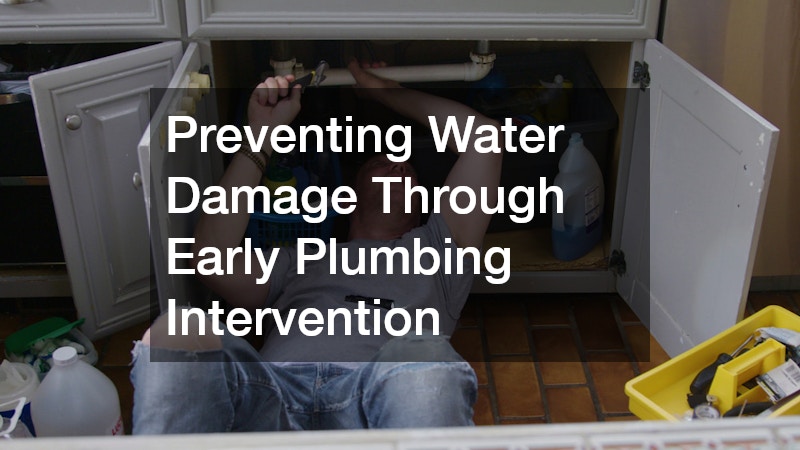
Water is one of the most destructive forces affecting residential structures, often causing damage silently before it becomes visible. Even small leaks can lead to mold growth, wood rot, foundation shifting, and structural weakening over time. What makes water damage particularly challenging is that it frequently begins in hidden areas—behind walls, under floors, or beneath sinks—where problems can develop for weeks or months before being discovered. By the time visible signs appear, the damage is often already widespread and expensive to repair.
Plumbing repair becomes essential when early signs of failure appear, such as dripping faucets, slow drains, inconsistent water pressure, or recurring clogs. These seemingly minor issues are often indicators of deeper problems within the plumbing system, such as pipe corrosion, line buildup, or failing seals. Addressing these issues early helps prevent larger system failures that may require extensive demolition or reconstruction.
Cold weather introduces additional risks, particularly frozen or burst pipes that can cause immediate and severe damage. When temperatures drop, water in pipes can freeze and expand, exerting pressure on the pipe walls until they crack or rupture. This type of failure can release large volumes of water rapidly, leading to significant structural damage and emergency restoration costs.
Preventive plumbing maintenance tips:
- Inspect visible pipes for corrosion, discoloration, or moisture buildup
- Insulate exposed pipes in unheated areas such as basements, crawl spaces, and garages
- Monitor water bills for unexplained increases that may indicate hidden leaks
- Avoid chemical drain cleaners that can erode pipes and weaken connections over time
- Test water pressure regularly to detect irregularities that may signal system strain
Additional preventive practices include periodically flushing water heaters to remove sediment buildup and checking under sinks for early signs of leakage around joints and seals. Homeowners should also pay attention to how quickly drains empty, as slower drainage can signal developing blockages in the system.
Warning signs to watch for:
- Water stains appearing on ceilings, walls, or flooring
- Musty or damp odors near sinks, drains, or enclosed spaces
- Gurgling or bubbling sounds within plumbing lines during water use
- Unexpected dampness around appliances such as dishwashers or washing machines
Consistent maintenance and early intervention reduce emergency repairs and help maintain the structural integrity of the home’s foundation and interior systems. By addressing issues proactively rather than reactively, homeowners can significantly reduce the risk of widespread water damage and extend the overall lifespan of their plumbing infrastructure.
Strengthening Exterior Walls Against Weather Exposure
Exterior walls serve as the first line of defense between indoor spaces and harsh environmental conditions. Rain, wind, temperature shifts, and humidity all contribute to gradual deterioration.
Siding installation plays a critical role in protecting homes from moisture infiltration and insulation loss. Properly installed exterior materials help regulate temperature and prevent long-term structural damage.
When siding becomes damaged or outdated, homes become vulnerable to water intrusion and energy inefficiency.
How to protect exterior walls effectively:
- Inspect for cracks, warping, or gaps in exterior surfaces
- Re-caulk seams and joints to prevent moisture entry
- Upgrade outdated materials with weather-resistant options
- Check for mold or mildew growth along exterior walls
- Ensure proper insulation behind exterior coverings
Additional benefits of maintaining exterior protection:
- Improved energy efficiency
- Reduced heating and cooling costs
- Enhanced curb appeal and property value
A strong exterior envelope is essential for long-term durability and environmental resistance.
Managing Vegetation Risks and Storm Hazards
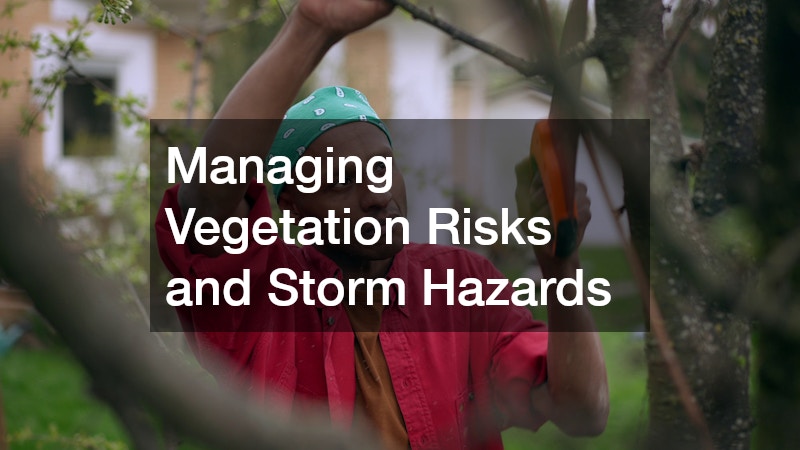
Trees provide shade, privacy, and environmental benefits, but they can also become serious hazards during storms if not properly maintained. Weak branches or overgrown trees can damage roofs, vehicles, and power lines.
Tree services help maintain healthy growth while reducing risk factors associated with storms and high winds. Regular maintenance ensures that trees remain structurally sound and do not pose a threat to surrounding property.
In some cases, tree removal services are necessary when trees are dead, diseased, or dangerously positioned near structures.
Best practices for managing tree-related risks:
- Trim branches that hang over roofs or driveways
- Remove dead or weakened limbs before storm season
- Inspect trees for signs of disease or decay
- Maintain a safe distance between trees and structures
- Monitor root systems near foundations and walkways
Additional considerations:
- Overgrown trees can block sunlight and increase moisture retention
- Falling limbs can damage roofs and fencing systems
- Storm preparation should always include a landscape evaluation
Proper tree management significantly reduces the risk of storm-related property damage.
Preserving Driveways and Hard Surfaces From Environmental Wear
Driveways and paved surfaces endure constant exposure to weather changes, vehicle traffic, and moisture. Over time, these factors lead to cracking, potholes, and surface erosion.
Asphalt repair is essential for maintaining smooth, safe, and durable surfaces. Addressing small cracks early prevents water infiltration, which can expand damage during freeze-thaw cycles.
Key maintenance practices for paved surfaces:
- Seal cracks as soon as they appear
- Apply sealcoating every few years for protection
- Ensure proper drainage to avoid water pooling
- Avoid heavy loads on weakened surfaces
- Clean debris and vegetation from surface edges
Environmental factors affecting asphalt:
- Temperature fluctuations cause expansion and contraction
- Standing water weakens structural integrity
- UV exposure accelerates surface breakdown
Routine maintenance extends the lifespan of paved areas and improves overall property safety.
Securing Property Boundaries Against Environmental Stress
Fencing systems provide privacy, security, and structural boundaries, but they are often exposed to wind, moisture, and shifting soil conditions.
Working with a fence contractor ensures proper installation and alignment, which is critical for long-term stability. Poorly installed fencing is more likely to fail during storms or soil movement.
Over time, fence repairs become necessary due to weather exposure, ground shifting, or material degradation.
Ways to maintain strong fencing systems:
- Inspect posts for leaning or instability
- Replace rotting or rusted components quickly
- Reinforce weak sections before storm seasons
- Ensure proper drainage around fence bases
- Re-stain or seal wood to prevent moisture damage
Common causes of fence damage:
- High winds and storm pressure
- Soil erosion and ground movement
- Moisture exposure leading to decay
Proper fence maintenance ensures continued security and reduces replacement costs.
Building a Year-Round Home Protection Strategy
Long-term home protection requires a structured maintenance approach that accounts for seasonal changes and environmental risks. Instead of waiting for damage to occur, homeowners should develop a proactive schedule that addresses each system regularly.
A strong maintenance plan includes coordination between roofing, exterior systems, landscaping, and mechanical components.
Essential elements of a home protection strategy:
- Seasonal inspection calendar for all major systems
- Budget allocation for preventive maintenance
- Emergency repair contingency planning
- Routine documentation of home condition changes
- Professional inspections for high-risk systems
Key seasonal focus areas:
- Spring: moisture inspection, exterior damage checks
- Summer: cooling system efficiency and ventilation
- Fall: roof preparation and drainage clearing
- Winter: insulation, pipe protection, and heating system checks
A proactive strategy reduces emergency costs, extends system lifespan, and improves overall property resilience.
Protecting a home from environmental and weather-related damage requires consistent attention, early intervention, and a well-structured maintenance approach. Every system—from the roof and exterior walls to plumbing, landscaping, and mechanical equipment—plays a role in maintaining structural integrity and long-term value.
By staying ahead of potential issues and addressing vulnerabilities early, homeowners can significantly reduce repair costs and improve safety. A proactive mindset ensures the home remains strong, efficient, and prepared for changing environmental conditions year-round.
About the Author