Owning a vintage home is a unique privilege, offering architectural craftsmanship, hand-carved details, and historical soul that modern builds simply cannot replicate. However, old houses also come with old-house problems, from drafty layouts and outdated electrical systems to decades of wear and tear. The ultimate challenge for any homeowner embarking on a renovation is finding the delicate balance between modern livability and historic preservation. It is entirely possible to introduce 21st-century comfort, efficiency, and styling without stripping away the irreplaceable magic that made you fall in love with the property in the first place.
Successfully updating an antique property requires a shift in mindset from “gut renovation” to “thoughtful stewardship.” Rather than tearing down walls to create an open-concept floor plan that clashes with the home’s original proportions, smart design focuses on restoring original elements while upgrading infrastructure behind the scenes. This in-depth guide will walk you through ten specific, actionable strategies to modernize your vintage home safely and beautifully. By prioritizing preservation over demolition, you can create a highly functional, comfortable space that honors its architectural heritage for generations to come.
Honor the Flow of Historical Floor Plans
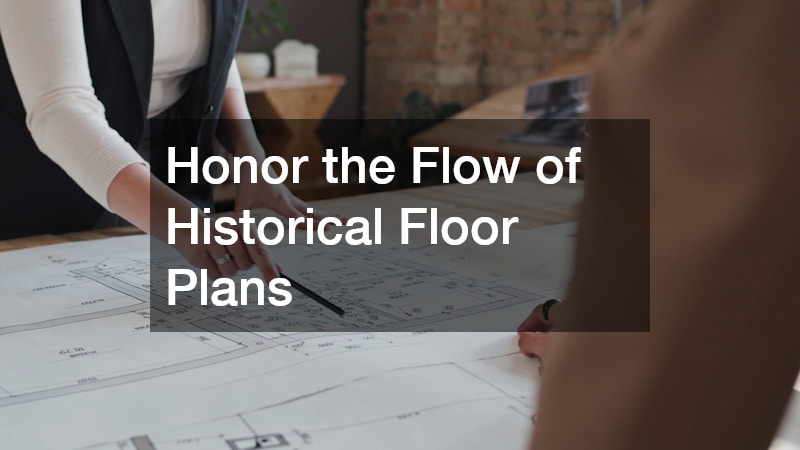
While modern architecture heavily favors massive open-concept spaces, vintage homes rely on distinct, purposeful rooms that create a sense of intimacy and architectural progression. Tearing out every interior wall to maximize sightlines often destroys the structural integrity and historical context of an old house, leaving it feeling hollow and stripped of its identity. Instead of wide-open spaces, consider maintaining the original footprint but optimizing the transitions between rooms. Wider doorways, cased openings that match existing millwork, and the strategic use of pocket doors can introduce light and fluid movement without sacrificing the home’s traditional layout.
Preserving individual rooms also offers immense practical benefits, such as vastly superior acoustic privacy and more efficient zone-based heating and cooling. To make these distinct spaces feel more connected and spacious without a sledgehammer, look to cohesive interior styling. Using a unified color palette across adjoining rooms, maintaining consistent ceiling treatments, and ensuring that flooring materials transition smoothly will create visual continuity. This approach allows your home to feel airy and unified while keeping its historic room divisions completely intact.
Revitalize Original Millwork and Moldings
The intricate trim, deep baseboards, and soaring crown moldings found in historic homes are often irreplaceable, carved from old-growth timber that possesses a density and grain pattern unavailable today. Removing or replacing these elements with modern fiberboard alternatives instantly cheapens the aesthetic of a vintage property. If your original woodwork has been buried under decades of sloppy paint or suffering from minor water damage, restoration should always be your first path. Carefully stripping away old layers reveals the crisp, sharp profiles of the original craftsmanship, which can then be stained to highlight the natural wood grain or repainted with a smooth, historically appropriate finish.
When the original trim is missing or damaged beyond saving, sourcing an exact match requires a dedicated eye. You can work with a specialized local milling workshop to create custom knives that replicate your existing molding profiles precisely. For smaller repairs, architectural salvage yards are an absolute goldmine for finding period-correct trim, plinth blocks, and corbels. Investing the time to restore or replicate these details ensures that the structural boundaries of your rooms continue to tell an authentic story.
Celebrate and Restore Antique Hardware
Nothing breaks the spell of a historic home faster than cheap, modern privacy locks and shiny, mass-produced hinges on heavy solid-wood doors. Original hardware—whether it is unlacquered brass, wrought iron, or intricate glass mortise knobs—acts as the jewelry of your home and deserves to be preserved. Over decades, these mechanical pieces often become gummed up with paint or suffer from tarnished surfaces, causing homeowners to mistakenly think they are broken. In reality, a simple boiling water and baking soda bath can strip away layers of old paint effortlessly, revealing beautiful historic metalwork underneath that can be lubricated and put right back to work.
If you must replace entirely missing mechanisms, look toward specialized reproduction manufacturers or salvage vendors rather than a standard big-box home improvement store. Modern reproduction hardware allows you to enjoy the mechanical reliability of a brand-new lockset while maintaining an identical period aesthetic. Pay close attention to the finish metals you choose; living finishes like unlacquered brass or oil-rubbed bronze will age naturally over time, developing a rich patina that blends seamlessly with the rest of your vintage home.
Transform the Kitchen With Timeless Elements
The kitchen is undoubtedly the most challenging room to update in a vintage home because it demands the highest concentration of modern technology and appliances. To prevent your kitchen from looking like a sleek, sterile spaceship landed in a historic house, focus on an “unfitted” or furniture-like design approach. Avoid hyper-modern, high-gloss flat panels and instead opt for classic inset Shaker or beadboard doors that mimic traditional cabinetry construction. Integrating panels over your refrigerator and dishwasher allows these large, modern machines to blend effortlessly into the surrounding woodwork.
When selecting your core culinary workstations, skipping the national chain stores in favor of local appliance dealers can give you access to specialized, period-style ranges and unique ventilation hoods that match a historic aesthetic. To build a kitchen that looks like it evolved naturally over a century, consider incorporating these classic design choices:
-
Deep fireclay farmhouse sinks paired with bridge faucets in a living metal finish.
-
Natural stone or soapstone countertops that show character marks and age gracefully over time.
-
Open shelving supported by ornate forged iron brackets to display period-appropriate dishware.
-
A standalone antique island or prep table rather than a massive, continuous block of built-in modern cabinets.
By balancing these traditional visual elements with modern internal mechanics, you create a space that functions perfectly for contemporary cooking while feeling deeply rooted in history. Working closely with a specialized custom cabinetry maker ensures that your storage solutions fit the quirky, uneven dimensions of old walls perfectly while providing modern internal pull-outs and soft-close functionality.
Upgrade Window Treatments for Comfort and Style
Old windows are a massive part of a home’s character, featuring unique wavy glass, slender muntins, and historic proportions that modern vinyl replacements simply cannot replicate. Instead of tearing out historic wood windows—which can easily last another century with proper maintenance—focus on repairing the sash cords, adding high-quality weatherstripping, and using interior design to manage light and insulation. The right window coverings can dramatically boost your home’s energy efficiency while complementing the architectural style of your window frames.
When dressing historic windows, avoid heavy, bulky plastic blinds that obscure the beautiful molded interior trim. Opting for tailored, high-quality window shades made from natural woven textures, linen, or classic wood tones allows you to control privacy and UV damage while keeping the window’s silhouette clean. For an added layer of historical accuracy and insulation, you can pair these clean shades with floor-length drapery panels hung on simple brass or iron hardware. This approach provides an exceptional thermal barrier against winter drafts without altering a single piece of historic wood window framing.
Enhance Lighting While Keeping Period Charm
Vintage homes were rarely designed with the abundance of overhead lighting we expect today, often relying on small windows, single central flush-mounts, or ambient lamplight. Adding modern illumination to an old house requires a layered strategy that avoids plaster-damaging grid systems of recessed cans, which can make a historic ceiling look like a Swiss cheese board. Instead, focus on architectural lighting that highlights the home’s natural features through a mix of statement chandeliers, wall sconces, and discreet accent lights.
When updating your wiring, take the opportunity to install dimmers on every single circuit to control the mood and replicate the soft, warm glow of historical lighting environments. If you need to hire a professional crew to handle the delicate process of running new wires through plaster walls without causing massive destruction, a specialized painting company can be an invaluable partner afterward to patch, skim-coat, and finish the surfaces seamlessly. They possess the specific expertise required to blend the texture of repaired plaster with old walls, ensuring that your new lighting updates look completely built-in from day one.
Balance Historic Floors With Modern Textiles
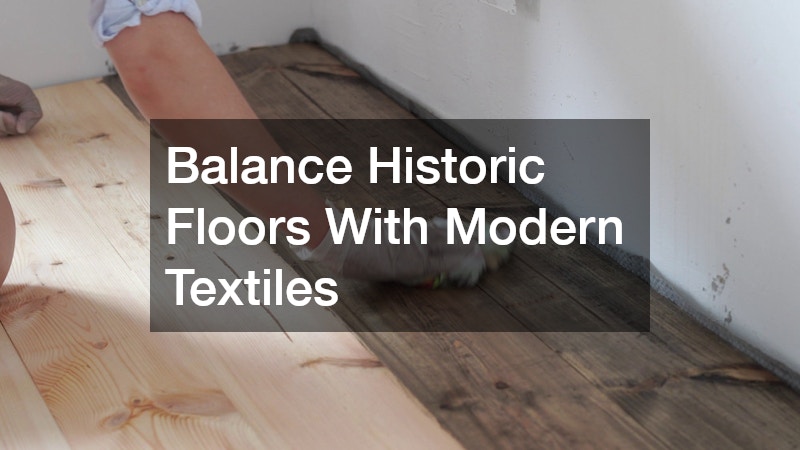
The flooring underneath your feet is one of the most expressive parts of a vintage home, whether it consists of tightly grained heart pine, intricate oak parquet, or old-world patterned tile. Preserving these surfaces should be a top priority, even if they currently feature scratches, minor gaps, or a worn-down finish. Sanding and refinishing original hardwood floors can completely revitalize a home, and choosing a clear or historically accurate muted stain will let the beautiful, natural variance of the ancient wood take center stage.
When sections of the flooring are completely ruined or missing due to past plumbing repairs, a skilled flooring company can source matching reclaimed timber to patch the gaps invisibly. Once your historic floors are restored, protecting them from heavy foot traffic and sun bleaching is essential for their long-term survival. Incorporating a professional rug cleaning service into your regular home maintenance routine allows you to safely utilize large, high-quality antique or modern area rugs to soften the spaces. These textiles provide crucial acoustic dampening in rooms with high ceilings and plaster walls, while simultaneously acting as a protective shield for the precious historic woodwork underneath.
Create Character-Rich and Functional Bathrooms
Designing a bathroom in a vintage home requires a careful dance between clean hygiene and historic charm. Avoid the temptation to install a modern, glass-walled spa capsule that feels completely detached from the rest of the house’s architectural era. Instead, look to classic materials that have been used for over a century, such as hex tiles, subway tiles, console sinks with exposed chrome legs, and classic beadboard wainscoting. These elements feel naturally at home in an older property while providing a clean, bright, and water-resistant environment.
To make the bathroom feel luxurious without looking overly contemporary, mix your utilitarian fixtures with freestanding furniture elements. A converted antique dresser can make a stunning, character-rich vanity when fitted with a stone top and an undermount sink. Incorporating a restored cast-iron clawfoot tub provides a gorgeous historical focal point while offering an exceptional soaking experience. By grounding the space in timeless materials, you can seamlessly integrate modern luxuries like heated floors, high-pressure showerheads, and hidden outlets inside drawers without disrupting the vintage aesthetic.
Harmonize Your Exterior Architecture
The curb appeal of a vintage home relies entirely on its architectural symmetry, original cladding materials, and period-accurate color schemes. When the exterior begins to show its age, replacing original wood siding with vinyl or aluminum alternative wraps often flattens the architectural depth of the home and ruins its historic silhouette. Maintaining or restoring original wood clapboards, cedar shingles, or historic stucco preserves the breathability of the old structure and maintains its true financial value. If you must repair large sections of damaged exterior walls, hiring experienced siding contractors who specialize in historic preservation ensures that the correct wood species, profiles, and installation methods are utilized to match the original craftsmanship perfectly.
Once the structural envelope of your exterior is secure, choosing a paint palette that honors the home’s specific architectural era will bring the entire look together. Historic homes look best with a multi-layered color strategy that uses distinct tones to differentiate the body, the trim, and the window sashes. To execute this complex paint job successfully, partnering with a professional painting company ensures that the meticulous surface preparation—such as safely scraping old lead paint, priming bare wood, and caulking gaps—is handled with the necessary care and expertise to make the new finish last for decades.

Extend Historic Charm to Your Outdoor Living Spaces
A thoughtful vintage home renovation should never stop at the back door; the surrounding landscape should act as a natural, elegant extension of the home’s interior character. Modern, unyielding concrete patios and commercial-looking retaining walls can create a harsh visual disconnect against a beautiful historic facade. Instead, your outdoor hardscaping should draw inspiration from the materials and styles that were prevalent when the home was originally constructed. Utilizing reclaimed brick, irregular flagstone, or local fieldstone for pathways and patios creates an established, organic look that feels as though it has been there for a century.
Designing and executing this cohesive exterior layout requires a careful balance of structural masonry and soft, period-appropriate plantings. To achieve this, working alongside an experienced hardscaping company allows you to build durable stone terraces, historic-style walkways, and elegant garden walls that complement your home’s foundation beautifully. To bring these stone features to life, you can integrate professional landscaping services to design lush, multi-layered gardens filled with heirloom perennials, climbing roses, and classic boxwood hedges that frame the property perfectly.
To ensure that your newly installed historic gardens and lush turf stay vibrant throughout the changing seasons without requiring hours of manual watering, a modern lawn sprinkler system can be discreetly integrated beneath the soil. This allows you to maintain optimal soil moisture for delicate heirloom plants automatically, keeping your outdoor spaces healthy and beautiful while keeping the modern irrigation technology completely hidden from view.
Bringing a vintage home into the modern era without sacrificing its historic soul is a long-term labor of love, requiring patience, research, and a deep respect for the craftsmen who came before you. By focusing your efforts on restoring original architectural elements, updating mechanical systems behind the scenes, and choosing classic, timeless materials for your kitchen and bathroom upgrades, you can avoid the fleeting trends that quickly date a standard renovation. The goal of a successful preservation project is not to live in a stagnant museum, but rather to create a living, breathing home that effortlessly bridges the gap between past craftsmanship and contemporary comfort.
When you take the time to honor the unique character of an old house, the reward is a living space with unparalleled warmth, depth, and personality. Every creak in the restored hardwood, every ripple in the historic window glass, and every perfectly preserved piece of trim tells a story that you are now a part of. By acting as a conscious steward of your vintage home, you ensure that its history is preserved, its structural integrity is enhanced, and its beauty remains completely intact for all the homeowners who will walk through its front doors in the future.
About the Author