Building or renovating a home is one of the most significant financial investments you will ever make. Yet, far too often, property owners fall into the trap of prioritizing low initial costs over long-term durability. The appeal of a cheap upfront estimate is understandable, but fast, low-cost materials almost always carry a hidden tax: premature failure, frequent repairs, and early replacement cycles. When a material fails prematurely, you end up paying for the labor twice, the disposal costs, and the inflated price of new materials down the road.
Shift your decision-making mindset from upfront expense to total cost per year of service life. A roofing material that costs $15,000 and lasts 15 years costs you $1,000 per year of protection. A premium option that costs $25,000 but lasts 50 years costs only $500 per year. Over a multi-decade timeline, choosing superior materials is actually the more economical path.
Selecting materials that stand the test of time requires evaluating regional climate compatibility, ongoing maintenance demands, structural weight requirements, and manufacturing standards. This guide walks you through every major component of your property—from the structural envelope to unseen mechanical systems and outdoor spaces—explaining how to specify materials designed to endure for decades.
Selecting Roof Surfaces Built to Resist Weathering

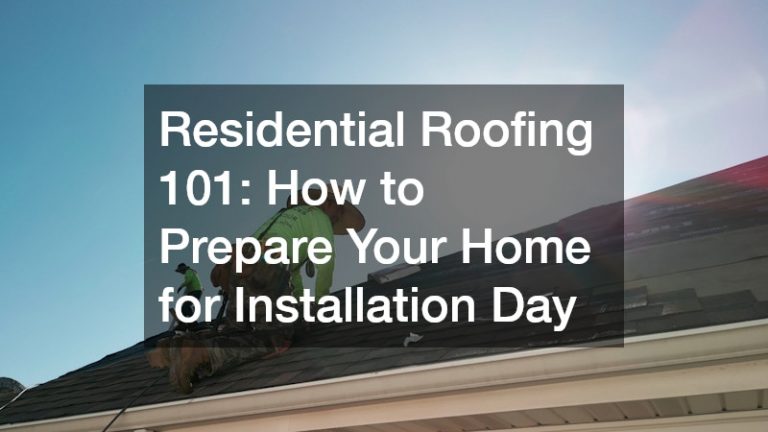
Your home’s roof forms the primary barrier against environmental degradation. Rain, ice, intense ultraviolet radiation, and wind constantly work to compromise the building envelope. Selecting materials that resist UV breakdown and moisture penetration prevents structural rot, mold, and interior water damage. When evaluating overhead protection, material composition determines whether you will replace your roof in fifteen years or fifty. Standard three-tab asphalt shingles are lightweight and inexpensive, but they degrade rapidly under harsh sun and heavy winds, often failing within 12 to 15 years. Architectural asphalt shingles feature multiple layers of fiberglass and asphalt, offering improved wind resistance and a lifespan of 25 to 30 years.
For true multi-decade durability, heavy-gauge standing-seam metal, synthetic slate, or clay tiles represent the pinnacle of longevity. Standing-seam metal panels feature concealed fasteners protected from the elements, eliminating the leak risks associated with exposed-screw metal roofs. Natural slate and clay tiles routinely last over a century, though they require reinforced roof framing due to their substantial weight. Regardless of the surface material, pair the system with a high-temperature, self-adhering ice and water shield underlayment rather than basic felt paper. Working with a reliable roofing company ensures that underlayment protocols, drip edges, and flashing details are executed correctly.
Managing Water Flow to Protect Structural Foundations
Water management is critical to the longevity of the roof assembly, siding, and foundation. Thin, sectional vinyl channels expand and contract with temperature swings, leading to cracked joints and leaking seams within a few seasons. Water spilling over clogged or damaged gutters saturates the soil directly around your home, putting immense pressure on foundation walls and leading to basement leaks or structural settling.
Heavy-gauge, seamless aluminum or copper water systems channel heavy rain away from the structure without sagging or leaking. Copper systems, in particular, form a protective patina that resists corrosion for over 50 years. Ensure downspouts are sized adequately—using 3×4 inch spouts rather than standard 2×3 inch options—to clear debris and prevent overflows. A professional gutter company can roll custom seamless runs directly on-site, eliminating weak points along your eaves. Pair these systems with underground drain pipes that direct water at least ten feet away from your foundation.
Preparing Driveway Sub-Bases for Heavy Vehicle Loads
Exterior ground surfaces endure heavy loads, vehicular traffic, direct sun, and sub-zero freeze-thaw cycles. Choosing the right surface material and sub-base preparation ensures driveway and walkway surfaces remain smooth, level, and free of structural cracking for generations. Surface cracking usually starts underneath, not on top. The sub-base layer distributes weight and allows groundwater to drain away without lifting the surface. Skipping proper base excavation or using thin gravel layers guarantees surface failure, regardless of whether you choose asphalt, concrete, or stone.
When evaluating surface options, interlocking concrete or stone pavers represent the premier choice for long-term durability. Individual pavers resist cracking because movement is absorbed through the flexible sand joints. If a single stone chips, it can be replaced without tearing up the entire drive. Poured concrete is also long-lasting, provided it includes rebar reinforcement and proper control joints. To maximize lifespan, apply high-solids penetrating silane-siloxane sealers rather than film-forming acrylic coats. Penetrating sealers soak into the pores of concrete and stone to block moisture and de-icing salts. Hiring a qualified driveway company guarantees that sub-base compaction meets structural weight standards before any surface material is poured or set.
Specifying Corrosion-Resistant Supply Lines and Internal Valves
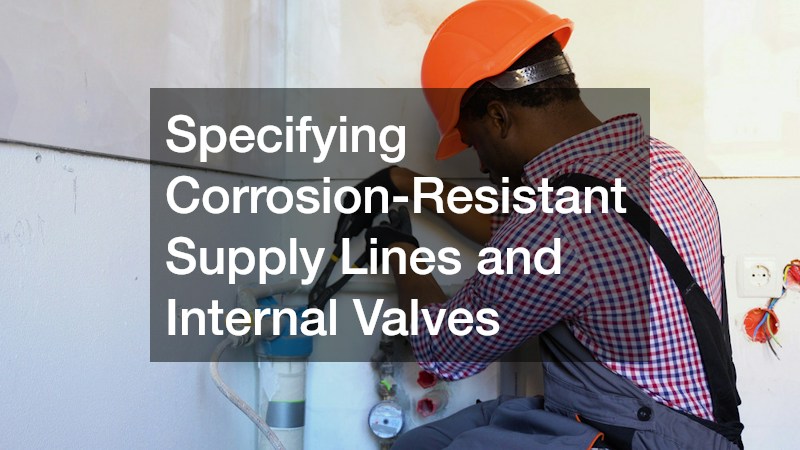
Out of sight behind drywall and beneath subfloors, your plumbing network operates under constant fluid pressure. A failure in these hidden systems causes devastating secondary water damage, mold growth, and expensive tear-outs. Investing in premium pipe materials and internal valve assemblies protects your home from catastrophic leaks. Residential supply lines generally rely on two primary durable materials: Type L copper and cross-linked polyethylene (PEX-a). When selecting copper pipe, always specify Type L copper, which features thicker walls than thin-walled Type M copper and offers superior resistance to pinhole leaks.
PEX-a tubing offers outstanding flexibility and freeze resistance. Unlike rigid pipes that split when water freezes, PEX-a expands and contracts, returning to its original shape without bursting. Avoid cheap plastic crimp fittings; instead, utilize full-flow brass expansion fittings for bulletproof connections. For drain systems, heavy cast iron pipes are virtually silent and last 75 to 100 years, while thick-walled Schedule 80 PVC provides high impact resistance. Ensure all supply shutoff valves utilize solid brass bodies with ceramic disc cartridges rather than rubber washers, which degrade and leak over time. Securing the expertise of seasoned plumbing contractors ensures your system is correctly sized, properly sloped, and isolated from structural friction points.
Installing Solid Copper Wiring and Industrial-Grade Switches
Electrical systems power modern life, but outdated or undersized wiring poses serious safety and reliability risks. Building an electrical infrastructure that lasts for decades means installing materials that handle heavy current loads, resist thermal degradation, and accommodate evolving home technology. Always specify solid copper conductors for interior branch wiring. While copper-clad aluminum wire is cheaper, copper expands and contracts less under electrical resistance, maintaining tight connections at terminals over decades. Aluminum wiring requires specialized anti-oxidant paste and connectors to prevent loose joints, arcing, and fire hazards.
Additionally, ensure all high-use wall outlets and wall switches are commercial-grade or specification-grade units. Standard residential-grade outlets rely on cheap spring-clip contacts that loosen over time, leading to poor connection quality and overheating. Commercial-grade outlets use solid brass back-wire clamps that maintain firm mechanical pressure on conductors indefinitely. Modern homes contain sensitive electronics that are easily damaged by voltage spikes. Protect your electrical system with a Type 1 or Type 2 whole-house surge protector at the main service panel, and opt for a high-capacity main panel with copper bus bars. Consulting licensed electricians ensures your power network complies with updated safety codes and relies on industrial-grade panel hardware.
Selecting Durable Heat Exchangers and Condenser Coils
Heating and cooling systems represent a major operational expense and one of the hardest-working mechanical networks in any home. Building an HVAC system that maintains efficiency and operational integrity over a multi-decade timeframe requires looking beyond SEER2 ratings to inspect internal component construction. The heart of a furnace is its heat exchanger. Standard efficiency units use thin-walled aluminized steel, which can rust through from condensation over time. High-end systems feature heavy-gauge stainless steel heat exchangers that resist thermal stress cracking and flue gas corrosion, extending the unit’s operational lifespan significantly.
For air conditioning condensers and heat pumps, inspect the coil construction. Traditional hybrid units pair copper tubing with delicate aluminum fins, creating a galvanic reaction where two different metals touch. Moisture causes this junction to corrode, leading to refrigerant leaks. All-aluminum microchannel coils or thick-walled, epoxy-coated coils offer vastly superior corrosion resistance, especially in humid or coastal environments. Pair these units with smooth, rigid sheet metal ductwork insulated externally with foil-faced wrap. Sheet metal ducts do not sag, tear, or collapse over time. Partnering with an established HVAC company ensures load calculations are performed accurately, preventing oversized equipment that short-cycles and destroys internal compressors prematurely.
Choosing Structural Cabinetry, Countertops, and Floor Subfloors
Interior finishes take a beating from daily foot traffic, spills, impacts, and cleaning chemicals. Choosing materials that hold up to heavy use without peeling, scratching, or delaminating keeps your living spaces looking pristine. Cabinetry forms the structural foundation of kitchens and baths. Mass-market cabinet boxes are typically constructed from low-density particleboard or medium-density fiberboard (MDF) covered in thin thermofoil. Exposure to moisture causes particleboard to swell and crumble. Long-lasting cabinetry features solid 3/4-inch exterior-grade plywood box construction, solid hardwood face frames, and maple or oak drawer boxes assembled with dovetail joints.
For countertops and flooring, surface choices should balance beauty with scratch, stain, and heat resistance:
-
Natural Quartzite and Granite: Dense, natural stone slabs offer extreme scratch and heat resistance, withstanding kitchen knives and hot cookware effortlessly.
-
Engineered Quartz: Non-porous and resistant to staining from wine, coffee, or oil without requiring periodic sealing. Look for a high ratio of natural quartz aggregate to resin for maximum thermal stability.
-
Glazed Porcelain Tile: Carrying a PEI rating of 4 or 5, porcelain tile resists water, scratching, and heavy impacts indefinitely.
-
Solid Hardwood: Allows for 4 to 6 full refinishing cycles over its lifetime, outlasting thin engineered wood veneers that can only be sanded once or twice.
Underneath the flooring, invest in tongue-and-groove engineered subfloor panels that resist swelling from moisture. Under tile installations, always use uncoupling membranes or cementitious backer boards rather than installing directly over plywood. Experienced home remodeling services know that subfloor rigidity prevents grout lines from cracking and tiles from popping loose over time.
Constructing Rot-Resistant Perimeter Fences and Decking Frames
Outdoor living spaces must endure harsh sun, ground moisture, insects, and soil movement. Building decks, fences, and outdoor structures that last for decades requires selecting naturally decay-resistant woods, advanced composite materials, and corrosion-proof hardware. Boundary fencing fails most often at the ground line, where moisture and soil microbes rot wood posts. Western Red Cedar and Redwood are naturally rich in tannins that resist rot, provided you select “All-Heart” grades rather than sapwood. Alternatively, powder-coated aluminum or steel fencing is impervious to rot, termites, and warping.
When installing a durable fence, relying on a professional crew for fence installation ensures post holes extend below the frost line and posts are set in gravel-lined concrete footings sloped away from the wood to shed water. For decking, framing longevity must match surface material longevity. Standard pressure-treated lumber joists often rot after 15 to 20 years, even if capped with 25-year composite decking. Protect the tops of all wooden joists and beams with butyl joist tape before installing deck boards to seal around screw penetrations. For luxury outdoor features, choosing a local pool contractor who uses thick shotcrete shells and ceramic waterline tiles ensures the structure resists ground pressure and chemical degradation.
Evaluating Warranty Fine Print and Non-Prorated Coverage
Even the highest-grade materials fail prematurely if installed incorrectly. Achieving a multi-decade lifespan requires verifying installation practices, understanding material warranties, and working with properly credentialed tradespeople. A warranty is only as good as the fine print and the manufacturer’s installation guidelines. You must differentiate between prorated and non-prorated warranties:
-
Prorated Warranties: The manufacturer’s coverage obligation decreases over time. A 50-year prorated warranty might only cover 10% of replacement costs if the material fails in year 25.
-
Non-Prorated Warranties: The manufacturer covers 100% of material replacement costs for a specified period (typically the first 10 to 20 years), regardless of age.
-
Workmanship Warranties: Offered directly by the installer to cover installation errors. Material manufacturers generally deny claims caused by improper installation, leaving you liable if your installer cut corners.
When hiring tradespeople, verify manufacturer certifications. Premium material manufacturers offer specialized factory training to installers. Contractors who achieve factory-certified status can often offer extended, non-prorated system warranties that cover both materials and labor. Asking for verified credentials upfront ensures your investment remains fully protected by the manufacturer.
Verifying Contractor Credentials and Material Certifications

Before signing contracts or purchasing materials, you must conduct thorough due diligence on both the products and the specialists applying them. High-performance materials often require specific tools, temperature windows, and mechanical fasteners during installation. Failing to adhere strictly to these engineering parameters will void manufacturer warranties and lead to early material breakdown.
When vetting specialists, ask specific questions about their experience with high-durability products:
-
Specify System Accessories: Ensure the installer uses the complete manufacturer-approved system—such as matching underlayments, starter strips, and sealants—rather than mixing cheap third-party accessories.
-
Review Structural Details: Confirm how the crew handles thermal expansion, joint sealing, and moisture isolation for heavy-duty materials.
-
Verify Local Experience: Look for established local contractors who understand regional climate challenges, soil conditions, and building codes, and who can provide references for local projects completed over a decade ago.
Working with certified professionals ensures that your material investments are installed strictly according to engineering specifications, guaranteeing that your home stands strong for decades to come.
Selecting home materials that stand the test of time requires looking past temporary design trends and enticingly low price tags. Real value lies in structural integrity, climate adaptability, and low maintenance demands. By choosing heavy-gauge metals, solid hardwood, high-density concrete, commercial-grade electrical hardware, and corrosion-resistant piping, you protect your property against environmental degradation and unexpected system failures.
A home constructed with long-lasting materials provides quiet comfort, low energy bills, and freedom from constant repairs. Treat every renovation, repair, or build as an opportunity to upgrade the quality of your home’s envelope and mechanical systems. Invest wisely in materials designed for decades of service, prioritize expert installation, and enjoy the peace of mind that comes with a home built to last for generations.
About the Author