Every home is a collection of decisions, some made by architects decades ago and others made by homeowners just last year. How long a house lasts, and how gracefully it ages, comes down to the materials chosen, the maintenance schedule followed, and how quickly problems get addressed before they compound. This article walks through the major systems and choices that shape a home’s lifespan, so you can prioritize the upgrades and repairs that matter most. Whether you are buying, renovating, or simply trying to protect the investment you already have, understanding these decisions will help you plan smarter.
The Foundation of Good Design Starts on Paper
Long before a single wall goes up, the decisions that determine a home’s durability are made on the drafting table. Working with experienced architects during the design phase ensures that load-bearing structures, drainage paths, and material choices are suited to the local climate and soil conditions. A poorly planned layout can lead to water pooling near the foundation or excessive stress on structural beams, issues that shorten a home’s functional life by decades. Getting this stage right sets the tone for everything that follows, from the roof overhead to the plumbing underground.
Homeowners renovating an existing structure often skip this professional input, assuming a contractor alone can handle structural changes. In reality, removing a wall or adding a second story without proper engineering review can compromise the entire building’s integrity. Investing in professional design guidance upfront costs more initially but saves significant money and stress over the life of the home.
Roofing Materials and Their Expected Lifespan
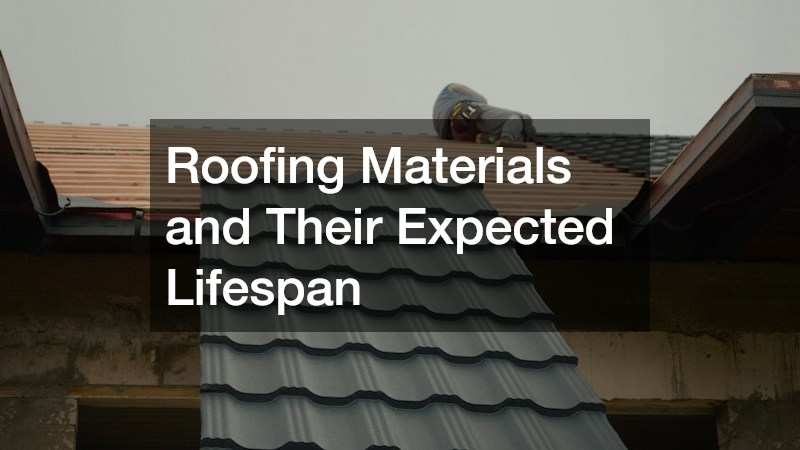
The roof is one of the most important barriers between your home and the elements, and its material choice dramatically affects how long the structure underneath stays protected. Asphalt shingles typically last 20 to 25 years and remain popular for their low upfront cost, but they’re also the most vulnerable to wind uplift and granule loss over time. Metal roofing can stretch beyond 40 years with proper installation, and materials like clay tile or slate can last 50 to 100 years, though they come with higher installation costs and added structural weight considerations. Homeowners in regions prone to severe storms increasingly turn to a fortified roofing company to install systems designed to withstand high winds, hail, and heavy rain far better than standard materials. These builds typically involve sealed roof decks, reinforced nailing patterns, and impact-resistant shingles rated to withstand hail up to two inches in diameter. Choosing a fortified roofing company also means working with installers trained to meet standards set by organizations like the Insurance Institute for Business & Home Safety (IBHS). These reinforced roofing systems often qualify for insurance discounts because they reduce the likelihood of catastrophic damage, sometimes lowering premiums by 10 to 30 percent depending on the insurer and location. Beyond the immediate savings, the extended lifespan and reduced repair frequency of a fortified roof can offset the higher initial investment within a decade or two. For homeowners weighing long-term value, factoring in local climate risks and insurance incentives is just as important as comparing material price tags.
Asphalt shingles remain the most common choice for sloped residential roofs, typically lasting 20 to 25 years, while architectural or dimensional shingles can stretch closer to 30 years thanks to their thicker construction. Metal roofing costs more upfront but often lasts 40 to 70 years depending on the material, with standing seam steel and aluminum options resisting corrosion and extreme weather far better than basic shingles. Tile and slate sit at the premium end, frequently exceeding 50 to 100 years of service, though they require a roof structure capable of bearing their significant weight. For property owners with flat or low-slope roofs, such as those found on additions, garages, or mixed-use buildings, the considerations shift slightly. These roofs typically use membrane systems like TPO, EPDM, or modified bitumen, each with different lifespans ranging from roughly 15 years for lower-grade materials to 30 years for high-quality TPO installed with proper seaming. A commercial roofing company typically handles these installations because the membrane systems and drainage requirements differ significantly from residential sloped roofs, and improper drainage design alone can cut a roof’s lifespan in half through ponding water and premature membrane breakdown. Beyond material selection, factors like local climate, ventilation, and installation quality all influence how close a roof comes to its rated lifespan. A shingle roof in a hail-prone region may need replacement well before the 20-year mark, while a well-ventilated attic can help any roofing material perform closer to its maximum potential. Choosing the right roofing partner for the specific type of structure you have is one of the clearest ways to extend the building’s overall lifespan.
Exterior Wall Coverings and Weather Resistance
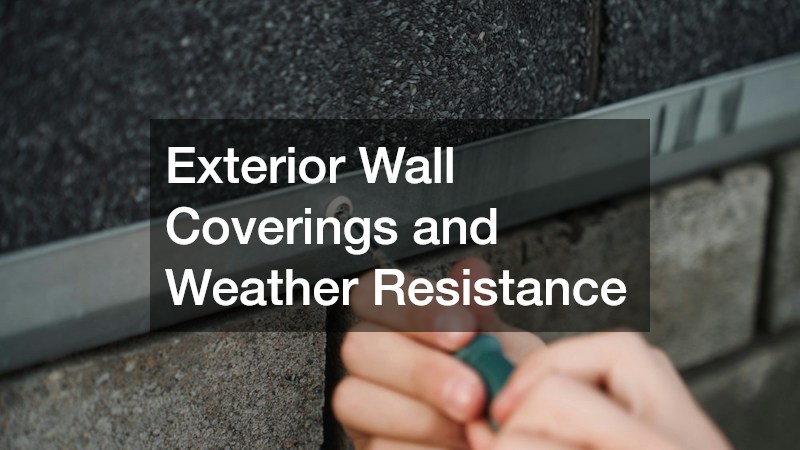
Siding and stucco act as your home’s skin, taking the brunt of sun exposure, moisture, and temperature swings year after year. When these materials are damaged or improperly sealed, water can seep behind them and rot the framing without any visible warning signs, sometimes for months or years before the damage surfaces. Different materials fail in different ways. Vinyl siding tends to warp or crack in extreme heat and can pull away from fasteners over time, while fiber cement holds up well but requires properly sealed joints to prevent moisture intrusion. Wood siding is especially vulnerable to rot if paint or stain isn’t reapplied every few years, and even brick veneer can trap water against the sheathing if weep holes become blocked. Homeowners with stucco exteriors should watch for hairline cracks, discoloration, or soft spots, as these often signal that stucco repair is needed before moisture penetrates further into the wall assembly. Cracks wider than 1/16 of an inch, staining near windows, or a hollow sound when tapping the surface are all signs the underlying weather barrier may have failed. In climates with heavy rain or freeze-thaw cycles, these problems tend to accelerate quickly once they start. Catching these issues early is far less expensive than replacing rotted sheathing later. A simple annual inspection, ideally after the rainy season, can catch small cracks before they become entry points for water, saving thousands of dollars in structural repair costs down the line.
Vinyl, fiber cement, and wood siding each have different maintenance needs and lifespans, ranging from 20 years for basic vinyl to 50 years or more for well-maintained fiber cement, with wood falling somewhere in between depending on the species and how diligently it’s sealed and repainted. Vinyl requires the least upkeep but can crack in extreme cold or warp near heat sources, while wood offers classic appeal at the cost of regular staining, caulking, and pest vigilance. Fiber cement splits the difference, resisting rot, fire, and insects, though its weight demands a more labor-intensive installation. A reputable siding company can assess which material suits your climate and budget while ensuring proper installation with adequate flashing and moisture barriers. This includes details like properly lapped house wrap, correctly sized weep holes for drainage, and flashing installed above windows and doors to direct water away from the sheathing. In coastal or high-humidity regions, an experienced contractor may also recommend rainscreen gaps behind the siding to let trapped moisture evaporate before it damages the wall assembly. Poor installation is often the real culprit behind premature siding failure, not the material itself. Nail patterns that are too tight, missing kick-out flashing at roofline intersections, or gaps left uncaulked around penetrations can let water infiltrate regardless of how durable the chosen siding is rated to be. Investing in skilled installation upfront typically costs less than repairing hidden rot or mold damage a few years down the road.
Plumbing Systems That Age Quietly Behind Walls
Plumbing failures rarely happen overnight; they build slowly through mineral buildup, pipe corrosion, and small leaks that go unnoticed until a wall or ceiling shows damage. Homes built before the 1970s often still have galvanized steel or original cast iron pipes, which are nearing or past their expected service life. Replacing these systems proactively, rather than waiting for a burst pipe, protects both the structure and the indoor air quality of the home.
For homes on private wastewater systems, regular septic tank pumping is one of the simplest ways to avoid a costly system failure. Neglecting this service allows solids to build up and eventually clog the drain field, a repair that can cost thousands of dollars and take a functioning system out of commission for weeks. Most septic professionals recommend pumping every three to five years depending on household size and tank capacity.
HVAC Maintenance and the Cost of Delayed Repairs
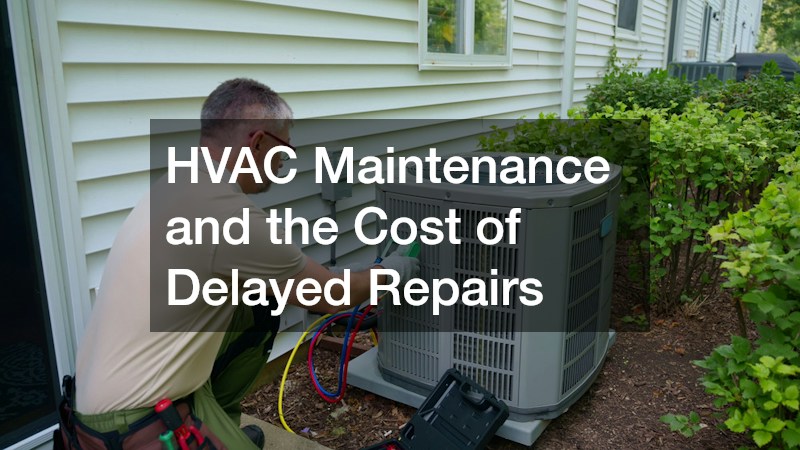
Heating and cooling systems work harder than almost any other component in the home, cycling on and off daily to maintain comfort. When a unit starts making unusual noises, cycling too frequently, or blowing warm air during summer, scheduling AC repair promptly can prevent a minor fix from turning into a full system replacement. Compressors and refrigerant lines are particularly sensitive to neglect, and small issues left unaddressed often cascade into much larger failures.
Routine maintenance, including filter changes and annual inspections, extends the life of HVAC equipment significantly beyond its average 15 to 20 year lifespan. Homeowners who skip these basic steps often find themselves replacing units five or more years earlier than necessary. A well-maintained system also reduces strain on ductwork and electrical components connected to it.
Kitchen and Bathroom Spaces That Handle the Most Wear
Kitchens and bathrooms endure more daily moisture, temperature change, and physical use than any other rooms in the house, which makes their construction quality especially important. A poorly planned bathroom remodel can trap moisture behind tile or under flooring, leading to mold growth and subfloor damage that is expensive to correct. Choosing water-resistant materials and ensuring proper ventilation during a renovation protects the surrounding structure for years to come.
Beyond moisture control, these rooms also carry the heaviest concentration of plumbing fixtures and electrical outlets in the home. Updating outdated wiring or pipe connections during a renovation, rather than working around them, prevents future problems from being sealed inside new walls. This is one of the few areas where spending a little more upfront genuinely reduces long-term repair costs.
Appliance Care and Its Effect on Water Damage
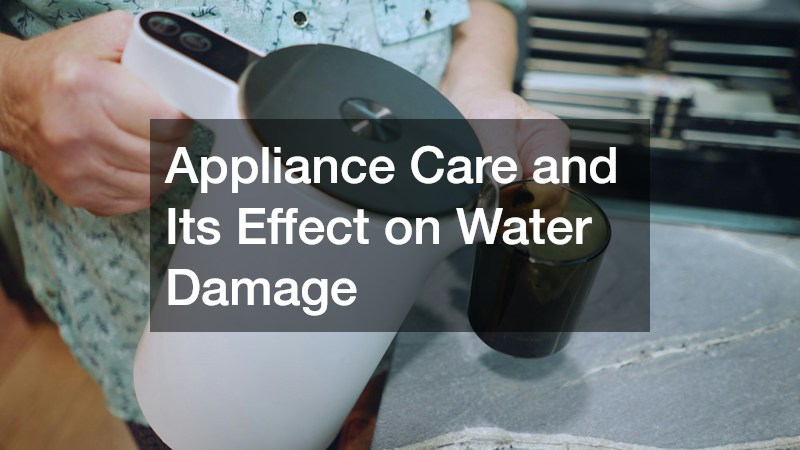
Major appliances like water heaters, dishwashers, and washing machines are common sources of hidden water damage when they fail unexpectedly. Scheduling a professional appliance repair service at the first sign of a leak, unusual noise, or inconsistent performance can prevent a small malfunction from soaking flooring and subflooring nearby. Many homeowners wait too long because the appliance still technically works, not realizing that a slow leak can cause rot long before the unit fully breaks down.
Water heaters in particular deserve attention since their tanks are prone to corrosion and eventual rupture after 10 to 15 years of service. Placing a drain pan underneath and checking the anode rod periodically are simple steps that extend the unit’s usable life. Addressing appliance issues quickly protects both the appliance investment and the surrounding structure of the home.
Fencing and Outdoor Structures That Protect the Property Line
While fences are often thought of as a cosmetic or security feature, they also play a functional role in managing drainage, containing pets, and defining property boundaries that affect resale value. Wood fences typically last 15 to 20 years depending on climate and maintenance, while vinyl and aluminum options can last considerably longer with minimal upkeep. Working with established fence companies ensures posts are set below the frost line and properly anchored, which prevents the leaning and warping that plague poorly installed fences.
Regular inspection of fence hardware, gate hinges, and post stability helps homeowners catch small issues before an entire section needs replacement. Wind damage and soil erosion are common culprits behind premature fence failure, especially in areas with heavy rainfall or loose soil composition. Addressing these issues early keeps the investment intact for its full expected lifespan.
Building a Realistic Maintenance Schedule for Every System
Homeowners who track maintenance tasks by season are far more successful at catching small problems before they become expensive repairs. Creating a simple calendar for HVAC filter changes, gutter cleaning, roof inspections, and appliance checks removes the guesswork from home upkeep. This proactive approach is consistently cheaper than reactive repairs made after damage has already occurred.
- Spring: inspect roofing, gutters, and exterior drainage after winter weather
- Summer: service cooling systems and check for signs of moisture intrusion
- Fall: schedule septic and plumbing checks before freezing temperatures arrive
- Winter: monitor heating systems and inspect attic insulation for gaps
- Year-round: address small cracks, leaks, or noises immediately rather than waiting
The lifespan of a home is rarely determined by one single decision but by the accumulation of hundreds of smaller choices made over years of ownership. Prioritizing quality materials, timely repairs, and professional guidance at each stage protects both your investment and your family’s comfort. Start by identifying which systems in your own home are overdue for attention, and tackle those first before they become larger problems. A little diligence now pays off in decades of added durability later.
About the Author