Key Takeaways
- Unusual noises may indicate loose components or mechanical problems.
- Weak airflow can result from clogged filters, blocked vents, or ductwork issues.
- Inconsistent indoor temperatures may signal problems with airflow or temperature control.
- Unexpected increases in energy bills can indicate reduced HVAC efficiency.
- Regular filter replacement and seasonal maintenance help prevent avoidable problems.
- Persistent issues, electrical concerns, and unusual burning smells may require professional attention.
Introduction
A home’s heating, ventilation, and air conditioning (HVAC) system plays an important role in maintaining comfortable indoor temperatures and healthy air circulation. However, many homeowners overlook early signs of trouble until the system stops working properly. Recognising common HVAC system warning signs can help you identify potential problems before they lead to unexpected breakdowns or expensive repairs. Understanding when HVAC repair may be necessary can also help homeowners address issues before they worsen.
From unusual noises and weak airflow to inconsistent room temperatures and rising energy bills, small changes in system performance can reveal underlying issues. Understanding these symptoms, maintaining essential components, and knowing when to seek professional assistance can help homeowners make informed decisions about their heating and cooling equipment.
1. Unusual Noises Coming From the HVAC System
HVAC systems produce some operating noise, but sudden or unusual sounds may indicate a problem. Rattling, buzzing, banging, grinding, or persistent squealing can suggest loose components, electrical issues, or worn mechanical parts.
For example, rattling may occur when a panel or component becomes loose. Grinding sounds could indicate a problem with a motor or another moving part, while buzzing may be associated with electrical components or vibrations.
Homeowners should pay attention to changes in the type, frequency, or intensity of these sounds. Check for obvious obstructions around the outdoor unit and ensure that accessible vents are not blocked. However, avoid opening electrical compartments or attempting repairs involving moving components.
If the noise continues, becomes louder, or is accompanied by poor performance, arrange an inspection by a qualified technician. Addressing unusual sounds early may help prevent a minor issue from developing into a more significant mechanical problem.
2. Weak Airflow From Vents
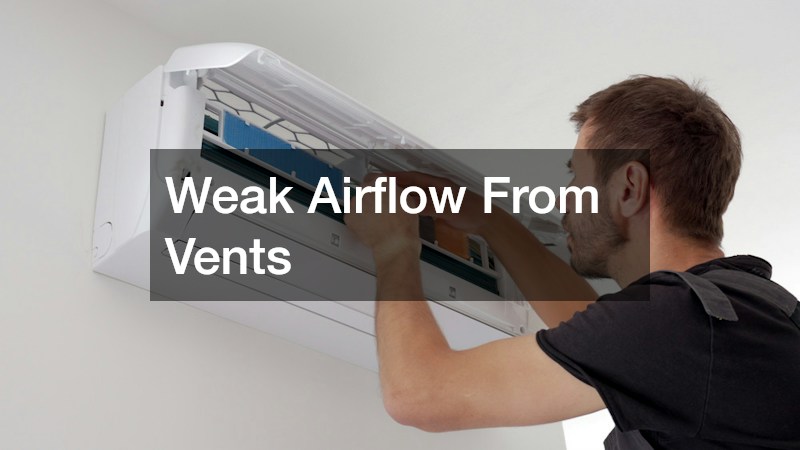
Weak airflow is another common sign that an HVAC system may not be operating properly. When air barely comes through the vents, certain rooms may feel uncomfortable even when the system is running continuously.
One possible cause is a dirty air filter. Filters collect dust and other airborne particles, but excessive buildup can restrict airflow. Other potential causes include blocked supply vents, obstructed return grilles, ductwork leaks, or problems with the blower.
Homeowners can begin by checking whether furniture, curtains, or other objects are blocking vents. Inspect the air filter and replace it when necessary, following the manufacturer’s recommendations for the system and filter type.
If airflow remains weak after these basic checks, the problem may require further investigation. Ductwork restrictions, blower issues, and other internal faults should be assessed by a qualified professional.
Maintaining adequate airflow helps distribute conditioned air throughout the home and reduces unnecessary strain on HVAC equipment.
3. Uneven Temperatures Throughout the Home
Does one room feel comfortable while another remains noticeably warmer or cooler? Uneven temperatures can indicate that the HVAC system is struggling to distribute air effectively.
Several factors may contribute to this problem, including poorly balanced airflow, leaking ducts, inadequate insulation, air leaks around windows and doors, or an incorrectly configured thermostat. Rooms exposed to direct sunlight may also experience greater temperature fluctuations than shaded areas.
Start by checking the thermostat settings and confirming that the relevant vents are open and unobstructed. Consider whether sunlight, closed doors, or noticeable drafts could be affecting individual rooms.
If the temperature differences persist, a professional assessment may help identify whether the issue relates to ductwork, system capacity, or temperature controls.
Consistent indoor temperatures depend on more than the HVAC unit alone. Insulation, ventilation, building layout, and air sealing all contribute to how effectively a home maintains comfortable conditions.
4. Unexpected Increases in Energy Bills
A sudden increase in heating or cooling costs may indicate that an HVAC system is consuming more energy than usual. Although seasonal weather changes and electricity rate increases can affect bills, an unexplained rise deserves attention.
Dirty filters, restricted airflow, leaking ductwork, incorrect thermostat settings, and neglected maintenance can all contribute to inefficient operation. An ageing system may also require more energy to provide the same level of heating or cooling.
Compare recent bills with those from similar periods in previous years, taking differences in weather and household usage into account. Check the thermostat settings and replace dirty filters as needed.
If energy consumption remains unusually high, consider arranging an inspection. A technician can assess system performance and identify possible causes of reduced efficiency.
Replacing an older HVAC system is not always the first or most economical solution. Depending on the condition of the equipment, correcting maintenance issues or repairing a faulty component may improve performance without requiring a complete replacement.
5. Frequent Cycling or Continuous Operation
An HVAC system typically switches on and off as needed to maintain the temperature set on the thermostat. However, frequent cycling or unusually long operating periods may indicate an underlying issue.
Short cycling occurs when the system starts and stops repeatedly without completing a normal operating cycle. Potential causes include thermostat problems, restricted airflow, certain mechanical faults, or equipment that is improperly sized for the home.
Continuous operation can have several explanations. During extremely hot or cold weather, the system may need to run for extended periods to maintain the desired indoor temperature. However, if it runs continuously under ordinary conditions without adequately heating or cooling the home, further investigation may be necessary.
Homeowners should check thermostat settings, inspect the filter, and ensure that vents are unobstructed. Avoid repeatedly restarting equipment that appears to be malfunctioning.
Persistent cycling or inadequate temperature control should be evaluated by a qualified technician. Identifying the cause can help reduce unnecessary energy consumption and prevent additional wear on system components.
6. Unpleasant Odours or Unusual Moisture
Unusual smells around an HVAC system should not be ignored. Musty odours may be associated with moisture accumulation, dirty components, or problems in the condensate drainage system. However, the smell alone cannot establish the exact cause.
A persistent musty smell, visible moisture around indoor equipment, or signs of water leakage warrant further investigation. Excess moisture can contribute to indoor air quality problems and may damage nearby building materials if left unresolved.
Homeowners should keep the area around HVAC equipment clear and look for visible signs of water accumulation. Avoid opening sealed components or attempting to clean internal parts that require specialised handling.
A burning smell requires particular caution. Turn the system off if it is safe to do so and seek qualified assistance. If you smell gas, leave the building and contact the appropriate emergency or gas service from a safe location. Do not operate electrical switches or use open flames.
Promptly addressing unusual odours and moisture can help protect indoor comfort, equipment condition, and household safety.
7. Poor Performance Despite Regular Maintenance
An HVAC system that struggles to maintain comfortable temperatures despite basic maintenance may have a deeper problem. You might notice that the home takes longer to cool, the system cannot reach the thermostat setting, or certain areas remain uncomfortable.
Possible explanations include refrigerant-related problems in air-conditioning equipment, faulty sensors, ductwork issues, compressor problems, or ageing components. These conditions generally require a more detailed assessment than routine filter replacement or thermostat adjustments.
Homeowners can document when the problem occurs, whether it affects particular rooms, and whether unusual sounds or higher energy bills accompany it. This information can help a technician understand the symptoms.
When basic troubleshooting does not resolve the issue, professional evaluation is the next step. Depending on the findings, the appropriate solution might involve a repair, component replacement, airflow adjustment, or a broader assessment of the system.
If the equipment is older and requires repeated repairs, compare the expected repair costs with the efficiency, reliability, and anticipated service life of a replacement system before making a decision.
How Can Regular Maintenance Help Prevent HVAC Problems?
Regular maintenance can help homeowners identify developing issues before they cause unexpected interruptions. Although maintenance requirements vary by equipment type, several basic practices can support reliable performance.
Replace air filters as recommended. Check filters regularly and replace them according to the manufacturer’s guidance. The appropriate replacement interval depends on the filter, household conditions, pets, dust levels, and system usage.
Keep vents and outdoor equipment clear. Ensure that indoor vents are not obstructed by furniture or curtains. Remove leaves and other visible debris around the outdoor unit while following the manufacturer’s clearance recommendations.
Check thermostat settings. Use appropriate temperature settings and confirm that the thermostat is functioning as expected. Avoid frequent, unnecessary adjustments that make it difficult to evaluate system performance.
Schedule periodic inspections. Seasonal maintenance can help identify worn components, drainage problems, airflow restrictions, and other issues. The timing of inspections should reflect the equipment type, climate, and manufacturer’s recommendations.
Pay attention to changes. Unusual noises, recurring odours, inconsistent temperatures, and unexplained energy costs may provide early clues that the system needs attention.
Basic maintenance does not eliminate every potential failure, but it can support efficiency and help extend equipment life.
Conclusion
Recognising HVAC system warning signs early can help homeowners maintain indoor comfort, manage energy costs, and reduce the likelihood of unexpected breakdowns. Unusual noises, inconsistent temperatures, restricted airflow, and unexplained increases in energy bills should not be ignored, especially when these problems persist.
Regular filter replacement, appropriate thermostat settings, and periodic maintenance can support reliable system performance. Homeowners should also recognise the limits of basic troubleshooting and seek qualified assistance when problems involve electrical components, refrigerant, or persistent performance issues.
By paying attention to changes in system behaviour and addressing concerns promptly, you can help maintain a comfortable home and make informed decisions about HVAC maintenance and repairs.
HVAC repair is one aspect of maintaining a reliable heating and cooling system, but understanding its warning signs is an important first step toward preventing avoidable problems.
About the Author