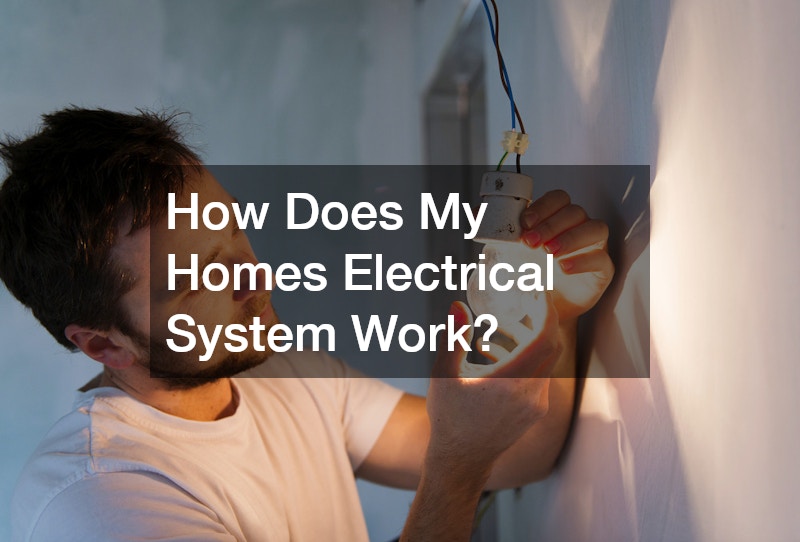
This article provides a comprehensive guide to understanding the intricate workings of a home electrical system. We will cover the fundamental components, how they function, and address some of the most frequently asked questions. By gaining insights into these essential elements, homeowners can ensure their electrical systems are safe, efficient, and reliable.
1. What are the Main Components of a Home Electrical System?
A typical home electrical system is composed of various components, each playing a vital role in the distribution and management of electricity. The system typically begins with the service entry, which connects the home to the utility power grid.
This service entry is followed by the electrical meter, which measures the amount of electricity consumed by the household.
The main service panel, also known as the breaker box, is another critical component. It is the central hub of the electrical system, distributing power to various circuits throughout the home. Within the breaker box are circuit breakers, which provide protection by shutting off power in the event of an overload or short circuit, thereby preventing damage and enhancing safety.
Furthermore, individual circuits branch out from the service panel, connecting to electrical outlets, switches, and fixtures. Each circuit is designed to handle a specific load to prevent overheating and overload. Grounding wires are also incorporated, ensuring safety by providing a path for electric current to dissipate into the earth, reducing the risk of electrical shock.
2. How Does Electrical Wiring Work?
Electrical wiring serves as the backbone of a home’s electrical system, providing pathways for electricity to travel and reach various appliances and devices. Wiring typically runs through walls, ceilings, and floors, forming an organized network within the structure. It’s crucial for wiring to be installed following safety standards to prevent potential hazards.
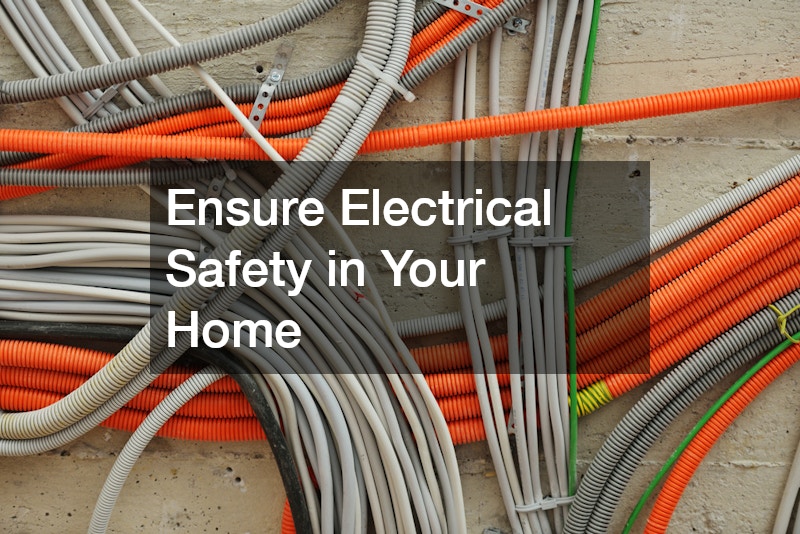
There are different types of wiring used in homes, such as non-metallic sheathed cable, armored cable, and conduit wiring. Non-metallic sheathed cable, often referred to as Romex, is the most common type used in residential structures due to its cost-effectiveness and ease of installation. It consists of two or more insulated conductors encased in a plastic sheath that offers protection.
Armored cable, on the other hand, provides an extra layer of metal protection, making it suitable for areas where wiring might be susceptible to damage. Conduit wiring involves running wires through metal or plastic tubes, offering robust protection and versatility. Regardless of the type, all electrical wiring must be correctly installed and periodically inspected to ensure safety and efficiency.
3. How to Ensure Electrical Safety in Your Home?
Ensuring electrical safety in the home is paramount to prevent accidents, fires, and injuries. One fundamental practice is to conduct regular inspections of the entire electrical system, identifying any potential hazards such as frayed wires or loose connections. Homeowners should also ensure that all electrical outlets and switches are in good working condition.
Another important measure is to avoid overloading circuits by ensuring that each is only carrying the load it is designed to handle. For instance, large appliances should have dedicated circuits to prevent tripping breakers. Additionally, using surge protectors for electronic devices can help safeguard them against voltage spikes.
Educating household members about electrical safety, such as never using electrical devices with wet hands and turning off switches during maintenance, is also essential. Installing Ground Fault Circuit Interrupters (GFCIs) in moisture-prone areas like kitchens and bathrooms enhances safety by cutting off power when an imbalance is detected. By practicing these safety measures, risks can be significantly reduced.
4. How Can I Improve Energy Efficiency in My Home?
Improving energy efficiency in the home contributes to reduced energy bills and lessens the environmental impact. One effective strategy is using energy-efficient appliances, which consume less power while maintaining performance. Energy Star-rated appliances, for example, meet strict energy standards and can significantly cut annual energy costs.
Another approach is ensuring proper insulation in the home, which helps maintain a stable indoor temperature and reduces the load on heating and cooling systems. Sealing leaks around doors, windows, and other openings can further enhance insulation efficiency. Smart thermostats can optimize heating and cooling schedules based on homeowners’ routines, aiding in energy-saving efforts.
Additionally, using LED lighting instead of traditional incandescent bulbs can yield substantial energy savings due to their lower wattage and longer life span. Implementing smart home technology to automate lighting and appliance usage further contributes to efficiency. By adopting these measures, homeowners can create a more energy-efficient living environment.
5. What Are Some Common Electrical Problems and How Can They Be Fixed?
Homeowners often encounter electrical problems requiring electrical solutions ranging from minor inconveniences to significant safety hazards. One common issue is flickering lights, often caused by loose or aging wiring connections that require tightening or replacement by a professional. Regular inspection and maintenance can help catch such problems early.
Tripped circuit breakers or blown fuses are another frequent problem, typically indicative of an overloaded circuit. In such cases, redistributing electrical loads across different circuits or upgrading the electrical panel can prevent recurrent tripping. It’s important to keep in mind that persistent tripping could signify a more serious issue, necessitating professional evaluation.
Electrical outlets that don’t work or are warm to the touch might indicate wiring problems or faulty components that need immediate attention. Hiring a qualified electrician to troubleshoot and repair these issues is crucial for safety and functionality. By addressing electrical problems promptly and efficiently, homeowners can maintain a safe and reliable electrical system.
Understanding your home’s electrical system is crucial for ensuring safety, efficiency, and reliability. By familiarizing yourself with its components, practicing safety measures, and optimizing energy use, you can effectively manage and maintain your home’s electrical infrastructure. Proactive engagement, such as regular inspections and upgrades, will provide peace of mind and prolonged system efficiency.
About the Author