Severe storms can cause significant damage to residential roofing systems, even when the issues are not immediately visible. High winds, heavy rain, hail, and falling debris can weaken shingles, loosen flashing, and compromise the structural integrity of the roof. After a storm passes, many homeowners may wonder how roofing professionals determine the extent of the damage.
Professional roof inspections after storms are thorough and methodical. Roofers look for both obvious and hidden issues that could lead to leaks or structural problems if left unaddressed.
By understanding how roofing experts evaluate storm damage, homeowners can better appreciate the importance of contacting local roof repair services after severe weather.
Performing an Initial Ground-Level Inspection
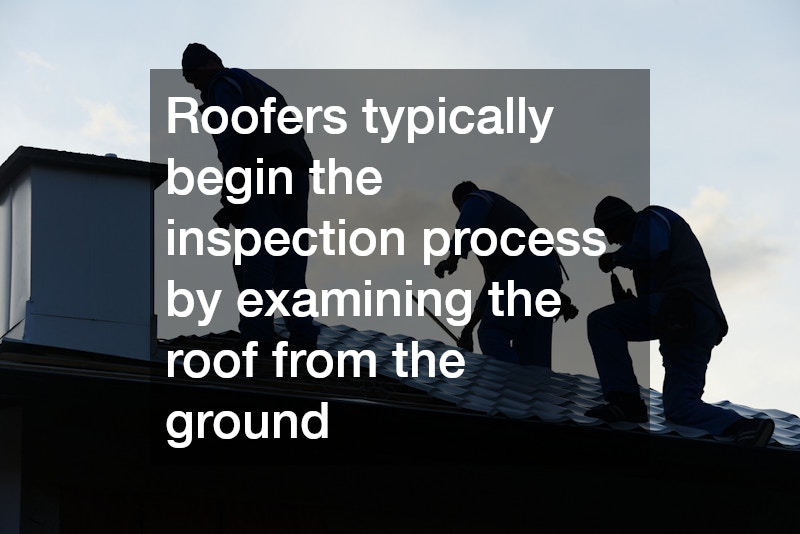
Roofers typically begin the inspection process by examining the roof from the ground. This allows them to identify visible signs of storm damage before climbing onto the roof itself. From this vantage point, they look for missing shingles, fallen branches, displaced roofing materials, and other clear indicators that the roof has been affected.
Ground-level inspections also allow roofers to assess the surrounding property. They may notice debris scattered across the yard, dented gutters, or damaged siding, all of which can indicate the severity of the storm. These early observations help guide the rest of the inspection process and provide clues about potential roof damage.
Checking for Missing or Damaged Shingles
One of the most common forms of storm-related roof damage involves missing or damaged shingles. High winds can loosen or tear shingles away from the roof, exposing the underlayment and roof deck beneath. Even if shingles remain in place, they may become cracked, curled, or lifted by strong gusts.
Roofers carefully examine the entire roof surface to identify areas where shingles may have shifted or deteriorated. These small issues may not always be visible to homeowners from the ground. By catching shingle damage early, local roof repair services can prevent water from penetrating deeper into the roof structure.
Inspecting Flashing and Roof Seals
Flashing is a critical component of the roofing system that protects vulnerable areas where water could enter the home. Flashing is typically installed around chimneys, vents, skylights, and roof valleys. During severe storms, these metal seals can loosen, bend, or detach.
Roofers carefully inspect these areas to ensure the flashing remains secure and properly sealed. Even small gaps in flashing can allow water to seep into the roof and cause leaks over time. Addressing flashing issues quickly is an important part of preventing more extensive damage.
Examining Gutters and Drainage Systems
Storm damage does not only affect the roof itself; it can also impact gutters and drainage systems. Gutters play an important role in directing water away from the roof and foundation. When gutters become clogged, dented, or detached during a storm, water may begin pooling on the roof.
Roofers check for signs of gutter damage, including loose fasteners, blockages, or sagging sections. They also examine downspouts to ensure water can flow freely away from the home. Local roof repair services often address gutter problems alongside roof repairs to restore proper drainage.
Looking for Signs of Hail Damage
Hailstorms can cause subtle but serious damage to roofing materials. Unlike wind damage, which may remove shingles completely, hail often leaves behind dents, cracks, or bruising on shingles. These impacts weaken the protective surface of the roof and can shorten its lifespan.
Roofers carefully examine shingles and other materials for circular dents or small fractures caused by hail. These marks may not immediately cause leaks, but they weaken the roof over time. Professional inspections ensure hail damage is detected before it leads to larger roofing issues.
Inspecting the Attic for Hidden Problems
A thorough roof inspection does not stop at the exterior of the home. Roofing professionals often inspect the attic to identify signs of moisture or structural damage that may not be visible from outside. The attic can reveal early warning signs of roof leaks.
Roofers look for water stains on wood beams, damp insulation, mold growth, or sunlight shining through gaps in the roof decking. These indicators can point to damage caused by storms that may otherwise go unnoticed. Local roof repair services rely on these interior inspections to fully understand the condition of the roof.
Checking Structural Components
In severe storms, the structure of the roof itself may be affected. Strong winds or fallen debris can weaken the roof deck, rafters, or support beams. These issues can compromise the stability of the entire roofing system if not addressed promptly.
Roofers inspect these structural elements for signs of sagging, cracking, or shifting. Identifying these problems early allows professionals to recommend the appropriate repairs before further damage occurs. Structural assessments are especially important after storms involving high winds or heavy debris.
Documenting Damage for Insurance Claims
Another important part of the storm inspection process is documenting damage for insurance purposes. Roofing professionals often take detailed photos and notes during their inspections. This documentation helps homeowners support insurance claims and ensure repairs are properly covered.
Accurate records of storm damage can also help determine whether repairs or a full roof replacement is necessary. By working with experienced local roof repair services, homeowners can better navigate the insurance process and ensure their roof is restored correctly.
Storms can cause a wide range of roofing problems, from missing shingles to hidden structural damage. Professional inspections play a critical role in identifying these issues before they lead to serious leaks or long-term structural concerns. Roofers carefully evaluate every part of the roofing system, including shingles, flashing, gutters, and attic spaces. By contacting trusted local roof repair services after severe weather, homeowners can ensure storm damage is detected early and repaired properly, helping protect their homes for years to come.
About the Author