Selecting the right roofing material and installation method is one of the most important decisions a property owner can make. The choices made today will affect the roof’s durability, energy efficiency, visual appeal, and overall maintenance requirements for decades. With advances in technology, homeowners and business owners now have more options than ever, ranging from traditional shingles to cutting-edge foam solutions and metal panels.
Beyond material choice, installation technique plays a critical role in how long the roof lasts and how well it performs in extreme weather conditions. Many property owners underestimate the impact of professional installation, ventilation, and underlayment selection on the roof’s long-term performance. By understanding these factors, you can protect your investment and reduce the likelihood of future repairs.
The decision is often complicated by factors such as climate, building type, budget constraints, and aesthetic preferences. Understanding how each material performs, the installation techniques required, and the long-term considerations for maintenance can make the process less overwhelming and more strategic. This guide explores the most popular modern roofing options, compares their installation methods, and offers actionable advice for choosing the best fit for your property.
A proactive approach also includes planning for maintenance and repair, as every roof will require attention over time. By learning what to expect with different materials and installation methods, you can make informed decisions that balance functionality, beauty, and cost.
Evaluating Your Roofing Needs Before Choosing Materials
Before diving into specific materials and installation processes, it’s important to evaluate your property’s unique requirements. Roofing decisions should be tailored to the type of building, location, and expected use of the space.
Key factors to consider include:
- Building type: Residential or commercial properties have different load requirements and structural considerations.
- Roof slope and pitch: Steep roofs may favor materials like metal or shingles, while flat roofs might be better suited for foam or membrane systems.
- Climate: Materials should be chosen based on local weather patterns, including temperature extremes, rainfall, and wind exposure.
- Budget and lifespan: Consider the upfront cost versus long-term durability, maintenance needs, and potential repair expenses.
In addition to these factors, it is helpful to think about long-term property goals. For example, if you plan to sell the property in the future, choosing a material that appeals to buyers or adds curb appeal can improve resale value. Consulting with experts early allows you to weigh aesthetic considerations alongside practical ones.
Working with experienced professionals can simplify this evaluation. A roofing estimate provided by qualified residential roofers allows you to compare options and make informed decisions. Additionally, consulting roofing contractors early ensures the project accounts for structural limitations, permits, and optimal installation techniques.
They can also provide insight into potential hidden costs such as reinforcing the structure for heavier materials or adjusting slopes for proper drainage. A thorough initial assessment reduces the risk of unexpected issues during installation and protects your investment over time.
Comparing Asphalt Shingles and Their Installation Options
Asphalt shingles remain a popular choice for many property owners due to their balance of cost, performance, and aesthetic flexibility. They are lightweight, relatively easy to install, and available in a variety of colors and styles.
Advantages of asphalt shingles:
- Cost-effective upfront compared to premium materials.
- Easy repair and replacement if damaged.
- Compatible with most roof slopes and residential structures.
- Variety of textures and colors to complement home exteriors.
One of the key advantages of asphalt shingles is the ease with which they can be repaired. Minor damage can often be addressed by replacing individual shingles, reducing both cost and downtime. Additionally, they perform well in various climates when installed with proper underlayment and ventilation.
Installation considerations:
- Proper underlayment and flashing are critical to prevent leaks.
- Overlapping techniques and nailing patterns must follow manufacturer guidelines.
- Ventilation and insulation beneath the shingles can significantly impact lifespan.
Roofing contractors are essential for ensuring proper roof installation with asphalt shingles, as improper methods can lead to premature damage. By working with a contractor, you can also receive a detailed roofing estimate that accounts for labor, materials, and potential extras like ventilation upgrades.
Professional installation also ensures that shingles are properly aligned, sealed, and fastened. Small errors during installation can lead to moisture infiltration, warped shingles, or reduced wind resistance, making it crucial to rely on experienced residential roofers.
Exploring Metal Roofing for Residential and Commercial Properties
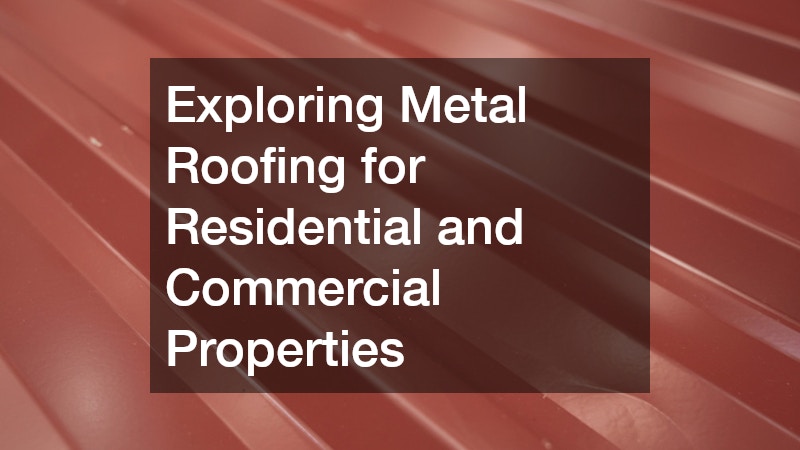
Metal roofing has grown in popularity for both residential and commercial buildings due to its long lifespan, energy efficiency, and low maintenance requirements. Available in steel, aluminum, copper, and zinc, metal roofing offers versatility and durability that often exceeds asphalt options.
Key benefits:
- High resistance to wind, fire, and extreme weather.
- Reflective properties that reduce cooling costs.
- Minimal maintenance requirements over decades.
- Available in panels, shingles, or tiles to suit aesthetics.
Metal roofs are particularly attractive for homeowners looking for long-term durability. They can last 40–70 years with minimal maintenance, making them a wise investment despite higher initial costs. Additionally, reflective coatings help reduce energy expenses, which is especially beneficial in hot climates.
Installation tips:
- Professional metal roofing contractors should handle cutting, fastening, and sealing to avoid leaks and rust.
- Panels must be installed with proper overlap and underlayment to prevent water infiltration.
- Commercial roofing companies often provide specialized tools and expertise for larger structures.
By consulting with an experienced commercial roofing company and residential roofers, property owners can select the appropriate metal type, gauge, and finish. Accurate roofing estimates ensure that both the material cost and installation complexity are considered before making a decision.
Proper installation also involves attention to expansion and contraction due to temperature changes, as well as precise alignment to prevent standing water or debris accumulation. Professionals understand these nuances and help avoid costly errors.
Understanding Spray Foam Roofing
Spray foam roofing has emerged as a popular solution for flat or low-slope roofs due to its seamless, insulating, and waterproof properties. This type of roofing can be applied directly over existing structures, making it an efficient choice for renovations or retrofits.
Benefits of spray foam roofing services:
- Creates a continuous, leak-resistant surface.
- Offers excellent thermal insulation, improving energy efficiency.
- Lightweight and adaptable to irregular roof shapes.
- Reduces ongoing maintenance costs.
Spray foam roofs are particularly useful for commercial buildings with large flat surfaces, but they are increasingly being applied to residential structures as well. Their ability to fill gaps and create a smooth surface reduces the risk of leaks and structural damage.
Installation considerations:
- A professional crew is essential for proper mixing, spraying, and curing.
- Surface preparation is critical; debris, moisture, or damaged materials must be addressed first.
- Protective coatings should be applied after foam installation to prevent UV degradation and physical damage.
Commercial and residential property owners often rely on roofing services specializing in spray foam to achieve optimal results. Contractors provide not only the installation but also long-term recommendations for maintenance, inspection, and repair, ensuring the roof’s longevity.
Proper maintenance for spray foam roofs includes periodic inspections for cracks, checking coating integrity, and addressing any ponding water promptly. These measures help maintain thermal performance and structural integrity for decades.
Pros and Cons of Flat vs. Sloped Roofs
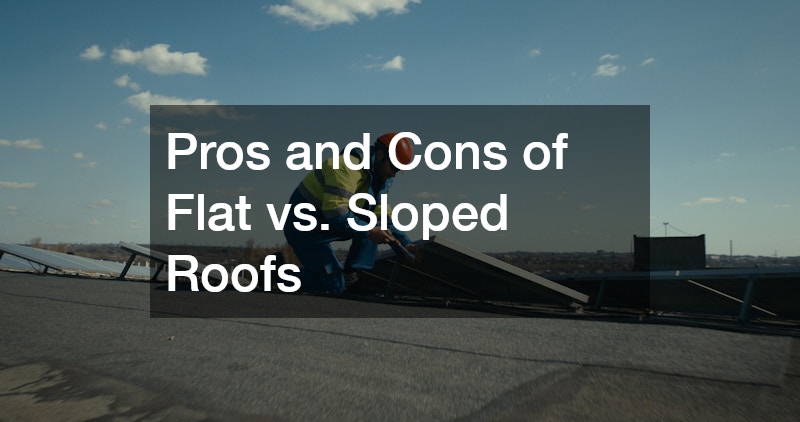
Choosing between flat and sloped roofs is a fundamental decision that impacts material selection, drainage, and long-term maintenance. Both types have advantages and challenges depending on the property’s needs.
Flat roof advantages:
- Efficient use of space for rooftop gardens, HVAC units, or solar panels.
- Easier access for maintenance and inspections.
- Works well with seamless roofing materials like spray foam or membrane systems.
Flat roofs can save space and provide additional functional areas for property owners, but they require careful attention to drainage. Standing water can cause deterioration, making proper slope, membrane installation, and inspection essential.
Sloped roof advantages:
- Natural drainage reduces water pooling and leak risks.
- Compatible with traditional shingles, tiles, and metal panels.
- Often provides more attic or storage space.
Sloped roofs are advantageous in regions with heavy rainfall or snow, as gravity assists in shedding water and debris. However, installation and repairs can be more complex and may require specialized safety equipment.
For both types, local roofing repair specialists and providers offering specialized roofing services can address challenges such as water pooling, insulation issues, and structural reinforcement. Proper evaluation before installation helps minimize long-term repair needs and ensures safety.
Understanding roof type also impacts material choices and maintenance schedules. Engaging experienced contractors ensures the system is optimized for performance and longevity.
Cost Considerations and Long-Term Value
Budgeting for a roofing project goes beyond material prices. Installation complexity, long-term maintenance, and potential repairs all contribute to the total cost of ownership.
Tips for managing costs effectively:
- Request multiple roofing estimates to compare pricing and services.
- Consider the lifespan of each material; a higher upfront cost may result in lower long-term expenses.
- Factor in maintenance requirements such as sealing, cleaning, or inspections.
- Evaluate warranties offered by contractors or manufacturers for coverage details.
It is also wise to consider energy savings and potential insurance benefits, particularly for fire-resistant or impact-resistant materials. These factors can make higher upfront costs more acceptable when the total long-term value is accounted for.
Consulting roofing contractors and metal roofing contractors helps ensure accurate cost assessment. They can highlight opportunities to combine materials or installation methods that balance performance with budget, such as pairing durable metal panels with proper insulation or selecting spray foam roofing services to reduce future repair costs.
A well-planned budget also includes contingency funds for unforeseen repairs or structural adjustments during installation. This foresight can prevent delays and ensure the project stays on track.
Maintenance and Longevity Tips for Different Roofing Types
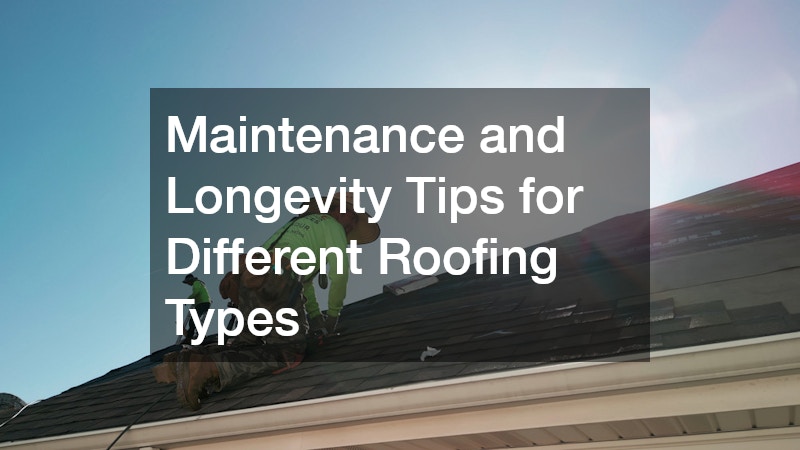
Every roofing system benefits from proactive maintenance to extend its lifespan and prevent costly repairs. The best approach depends on the material and installation method used.
General tips for maintaining roofing:
- Inspect roofs at least twice a year and after major storms.
- Clean gutters, downspouts, and roof surfaces to prevent water damage.
- Seal or replace worn areas promptly to avoid leaks.
- Trim nearby tree branches to prevent physical damage and debris buildup.
For asphalt shingles, residential roofers can recommend spot repairs and resealing techniques. Metal roofing contractors may suggest periodic inspection of fasteners and protective coatings. Spray foam roofing services often include annual inspections to check for surface wear, UV damage, and protective coating integrity.
Engaging local roofing repair services ensures that small issues do not escalate into major problems. Proper upkeep not only extends lifespan but also maintains aesthetic appeal, energy efficiency, and safety.
Making the Final Decision: Matching Materials, Methods, and Goals
Once you’ve evaluated your property, understood material options, and considered costs, the next step is finalizing your roofing decision. This stage involves comparing contractors, assessing installation methods, and aligning choices with long-term goals.
Actionable decision-making tips:
- Create a checklist of priorities: durability, aesthetics, energy efficiency, and maintenance.
- Compare multiple roofing estimates to identify hidden costs and understand contractor capabilities.
- Verify experience with specialized roofing services, particularly for unconventional materials or installation techniques.
- Consider warranties, insurance, and reputation when selecting a roofing contractor.
By coordinating with roofing contractors and commercial roofing companies, property owners can ensure the selected materials and installation methods meet all structural, aesthetic, and functional goals. This step ultimately reduces risks and maximizes the value of the investment.
A thoughtful selection process also considers future modifications, such as adding solar panels, skylights, or additional stories. Planning ahead allows the roof to accommodate changes without requiring complete replacement.
Choosing the right roofing material and installation method requires careful planning, research, and consultation with experienced professionals. Understanding the pros, cons, and installation requirements of each option allows homeowners and business owners to make informed decisions that balance cost, performance, and longevity.
From asphalt shingles to metal panels and spray foam systems, modern roofing technologies provide a range of solutions for every property type. By evaluating needs, budgeting effectively, and working with trusted professionals, you can ensure your roof provides protection, energy efficiency, and aesthetic appeal for years to come. Proper planning today helps prevent costly repairs tomorrow, making your roofing investment both practical and strategic.
About the Author