Planning Interior and Exterior Home Improvements the Right Way
Learn how to plan interior and exterior home improvements the right way, from budgeting and materials to timing, coordination, and long-term maintenance.
Planning interior and exterior home improvements is rarely about a single project. Most homeowners find themselves balancing multiple updates that affect how a home looks, functions, and holds up over time. Whether improvements are driven by aging materials, lifestyle changes, or long-term value goals, taking a thoughtful approach early on can help prevent delays, budget strain, and mismatched results. A well-planned strategy allows each update to support the next rather than compete for attention or resources.
Interior and exterior projects are often more connected than they first appear. Changes made outside can influence what happens indoors, and vice versa. Structural elements, moisture control, and layout considerations tend to overlap, even when the projects themselves feel separate. Taking time to understand how these areas interact helps homeowners make decisions that feel cohesive rather than piecemeal. Planning also creates room to adjust priorities, accommodate schedules, and align improvements with how the home is actually used day to day. By approaching the process with clarity and intention, homeowners can move forward with updates that feel coordinated, manageable, and aligned with their long-term vision.
Understanding Project Scope and Priorities
Every successful home improvement plan starts with a clear understanding of scope and priorities. Before committing to any updates, it helps to identify which areas of the home require immediate attention and which improvements can wait. Some projects are cosmetic, while others address performance, safety, or structural concerns. Knowing the difference early allows homeowners to allocate time and resources more effectively and avoid distractions that pull focus away from essential work.
Looking more closely at exterior needs often brings certain priorities to the surface. Issues like aging materials, visible wear, or weather-related damage may influence timelines more than interior upgrades. In many cases, consulting a roofing company can help clarify whether exterior concerns should take precedence before interior work begins. Addressing these priorities early can prevent future disruptions, especially if exterior issues have the potential to impact the home’s interior environment. When scope and priorities are clearly defined from the start, the overall improvement plan becomes easier to manage and far more predictable.
Evaluating Structural and Functional Needs
Evaluating structural and functional needs is a critical step that goes beyond appearance. While finishes and design choices are important, they often depend on the condition of the home’s underlying systems. Structural components, load-bearing areas, and foundational elements influence what types of updates are feasible and how they should be approached. Taking time to assess these factors helps homeowners avoid costly revisions later in the process.
Moisture-prone areas deserve extra attention, as water damage can compromise structural integrity and lead to hidden hazards. In particular, addressing issues like leaks or damp spots before renovations is essential. This may include removing black mold on walls, which not only protects your family’s health but also prevents further damage to materials that could affect your updates.
Functional considerations also shape how interior and exterior improvements come together. Drainage patterns, surface stability, and traffic flow all affect daily use and long-term durability. In some cases, insights from a concrete company can help determine whether certain areas require reinforcement or modification before other improvements move forward. Addressing these needs early supports better performance across the home and allows aesthetic updates to rest on a solid foundation. By focusing on structure and function first, homeowners create a framework that supports both current comfort and future improvements.
Balancing Aesthetic Goals With Practical Updates
A successful home improvement plan balances visual appeal with everyday practicality. While design trends and personal style often drive renovation decisions, functionality should always guide how those ideas are applied. Color choices, textures, and finishes can dramatically change the look of a space, but they also need to support durability, maintenance, and comfort. When aesthetic goals align with how the home is used, improvements tend to feel intentional rather than purely decorative.
Interior updates are often where this balance is most noticeable. Paint colors, wall finishes, and trim details influence not just appearance but also lighting, mood, and spatial perception. Choosing interior paint requires more than selecting a shade that looks good on a sample card. Factors such as room size, natural light, surface condition, and long-term upkeep all play a role in how the finished space performs over time. When aesthetics are evaluated alongside practical needs, interior updates remain attractive while supporting daily living without added frustration.
Setting a Realistic Budget and Timeline
Budgeting and scheduling are two of the most influential factors in any home improvement project. Without a realistic framework, even well-planned updates can become stressful or stalled. A clear budget should account for materials, labor, potential delays, and unforeseen issues that often arise once work begins. Timelines should be flexible enough to adapt while still providing structure that keeps projects moving forward.
Coordinating multiple improvements adds another layer of complexity. Interior and exterior projects often overlap in ways that affect sequencing and access to the home. Working with a home renovation contractor can help establish a practical timeline that considers dependencies between projects, such as completing structural work before finishes are installed. A clear budget and schedule reduce uncertainty and allow homeowners to make informed decisions when adjustments are needed. When expectations are realistic from the start, projects are more likely to stay on track and deliver results that feel worth the investment.
Coordinating Interior and Exterior Improvements
Interior and exterior improvements are most effective when planned together rather than treated as separate efforts. Decisions made outside the home often influence what happens inside, including layout adjustments, moisture control, and access points. Coordinating these updates helps prevent situations where one project unintentionally disrupts another or requires rework that could have been avoided with better planning.
Exterior features such as boundaries, access areas, and property layout can directly affect interior functionality. Planning fence installation alongside interior updates, for example, may influence entry points, privacy considerations, and how spaces are used during construction. Thoughtful coordination allows homeowners to align schedules, reduce interruptions, and maintain consistency between interior comfort and exterior structure. When improvements are planned as part of a unified approach, the home feels more cohesive, functional, and prepared for long-term use.
Additional coordination also helps streamline communication between different phases of work. When exterior updates are timed properly, they can reduce wear on newly finished interior spaces and limit repeated setup or cleanup. This approach supports smoother transitions between projects and allows homeowners to see progress more clearly as improvements come together rather than feeling scattered or disjointed.
Accounting for Permits and Local Requirements
Permits and local regulations are often overlooked during the planning phase, yet they play a major role in how smoothly home improvements move forward. Many interior and exterior updates are subject to zoning rules, safety standards, and inspection requirements that vary by location. Failing to account for these details early can lead to delays, added costs, or the need to redo completed work. Understanding which projects require approval helps homeowners plan timelines more accurately and avoid unnecessary disruptions.
Certain upgrades involve systems that are closely regulated due to health and safety considerations. Plumbing-related changes, in particular, often require permits and inspections before work can proceed or be finalized. Coordinating with a plumber who understands local requirements can help clarify what approvals are needed and when inspections should be scheduled. Addressing these requirements early keeps projects compliant and helps improvements move forward without unexpected administrative setbacks.
Taking a proactive approach to permits also supports better communication with local offices and inspectors. Scheduling reviews in advance, maintaining clear documentation, and understanding inspection timelines can prevent last-minute surprises. When regulatory steps are built into the planning process, projects tend to progress with fewer interruptions and greater confidence from start to finish.
Selecting Materials for Long-Term Performance
Material selection has a direct impact on how long home improvements last and how well they perform over time. While initial appearance often drives choices, durability, maintenance needs, and environmental exposure should carry equal weight. Materials that hold up under daily use and changing conditions tend to provide better long-term value, even if their upfront cost is higher. Thoughtful selection reduces the likelihood of premature repairs or replacements.
Some areas of the home are exposed to moisture, temperature changes, or frequent use, making material performance especially important. Finishes designed for durability can protect surfaces while maintaining a clean, finished look. In spaces where moisture resistance and surface strength matter most, options like pool epoxy coating are often considered for their ability to withstand wear while maintaining a consistent appearance. Choosing materials with performance in mind supports lasting results across both interior and exterior projects.
Evaluating warranties, care requirements, and expected lifespan can further support better material decisions. Homeowners who understand how materials age over time are better prepared to balance appearance with function. This approach helps improvements remain reliable, attractive, and cost-effective long after installation is complete.
Planning Around Seasonal Conditions
Seasonal conditions play a significant role in how and when home improvements should be completed. Weather patterns, temperature fluctuations, and environmental factors can affect materials, scheduling, and overall project efficiency. Planning with these variables in mind helps homeowners avoid delays and minimize disruption. Some updates are better suited for certain times of year, while others require additional preparation to account for seasonal challenges.
Environmental conditions can also influence the timing of preventative measures around the home. Seasonal changes often bring increased activity from insects and wildlife, which can affect both indoor and outdoor spaces. Coordinating improvements alongside pest control planning allows homeowners to address vulnerabilities before they become larger issues. Aligning projects with seasonal realities helps improvements progress more smoothly and supports a home environment that remains comfortable and functional year-round.
Anticipating seasonal impacts also allows homeowners to protect finished work as it cures or settles. Scheduling projects during favorable conditions can improve outcomes, reduce material stress, and support more consistent results across interior and exterior updates.
Preparing the Home for Active Work Zones
Preparing the home for active work zones is an important step that helps reduce stress during interior and exterior improvements. Construction activity can disrupt daily routines, limit access to certain areas, and introduce safety concerns if spaces are not properly organized. Planning ahead allows homeowners to protect personal belongings, maintain clear pathways, and create temporary living arrangements that keep the household functioning while work is underway.
Interior spaces often require extra attention when work zones overlap with daily-use areas. Bedrooms, for example, may need to be rearranged or temporarily repurposed to accommodate shifting needs. In homes with shared or flexible sleeping areas, bunk beds may offer a practical solution during renovation periods by maximizing available space while keeping rooms functional. Taking time to prepare for these disruptions helps the project move forward more smoothly and allows homeowners to adapt without unnecessary inconvenience.
Additional preparation may include designating storage areas, setting clear boundaries around work zones, and establishing communication routines with workers. These steps help limit confusion, reduce safety risks, and keep daily life organized while improvements are in progress.
Reviewing Long-Term Maintenance Considerations
Long-term maintenance is a key factor in determining the true value of home improvements. While initial installation and appearance matter, homeowners benefit most from updates that are easy to maintain and support consistent use over time. Considering upkeep requirements early helps prevent future frustrations and allows maintenance needs to align with lifestyle and available time.
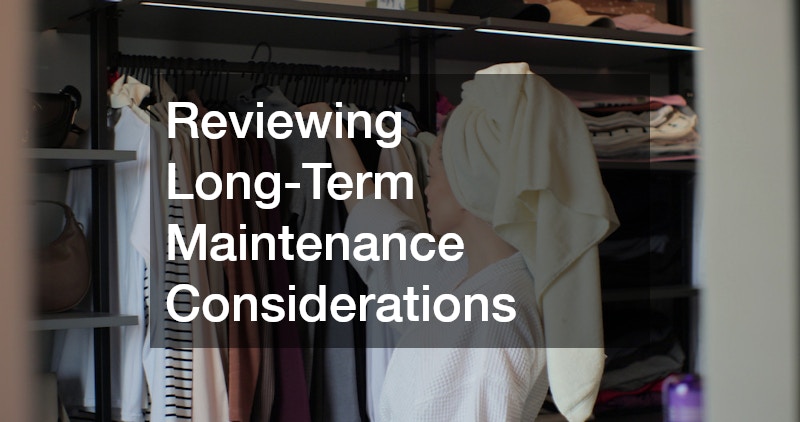
Interior storage and organization solutions often influence long-term satisfaction more than expected. Thoughtfully planned custom closets can simplify daily routines by keeping items accessible and reducing clutter. When maintenance is minimal and organization systems are intuitive, homeowners are more likely to preserve the quality and function of their improvements. Reviewing maintenance needs before final decisions are made helps updates remain practical and effective long after the work is complete.
Planning interior and exterior home improvements the right way requires more than choosing individual projects. A thoughtful approach considers how updates connect, how they affect daily living, and how they perform over time. From early planning and budgeting to coordination and long-term care, each decision plays a role in creating a home that feels cohesive and functional rather than fragmented.
By taking the time to evaluate priorities, prepare for disruptions, and think beyond the initial installation, homeowners position themselves for better outcomes. Well-planned improvements tend to age more gracefully, require fewer corrections, and support a smoother living experience throughout the process. When interior and exterior updates are approached with intention and awareness, the result is a home that works better, lasts longer, and reflects careful planning from start to finish.