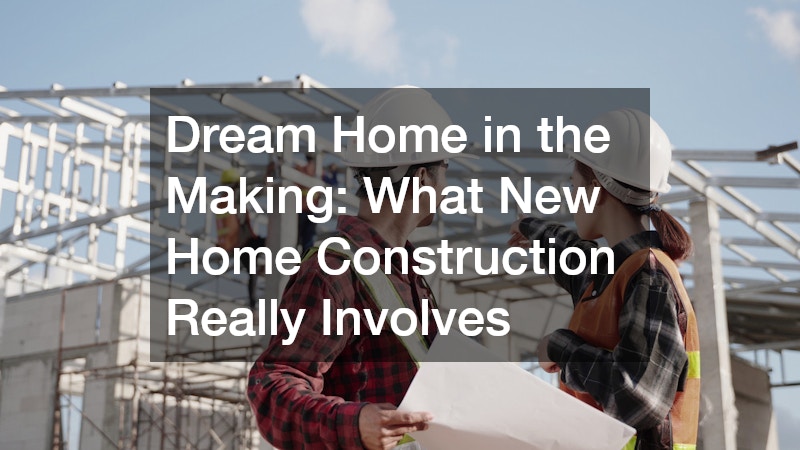
Building a home from the ground up is an exciting opportunity to create a space that reflects your lifestyle, preferences, and long-term goals. New home construction allows you to personalize everything—from the layout and materials to energy efficiency and modern technology. At the same time, it’s a complex process that requires thoughtful planning, informed decision-making, and patience. Understanding what goes into building a home can help you avoid costly mistakes and enjoy the journey. This guide breaks down the key stages, challenges, and expectations so you can approach your dream home project with clarity and confidence.
What Are the First Steps in Planning a New Construction Home?
Setting a realistic budget is essential for any successful home-building project. Start by assessing your financial situation, including savings, financing options, and loan pre-approval. Your budget should cover construction costs, land purchase, permits, design fees, utility connections, and landscaping. It’s wise to build a 10 to 15 percent contingency fund for unexpected expenses. Upgrades, material price fluctuations, or site-related challenges can increase costs. Being honest about what you can afford guides decisions and prevents financial stress.
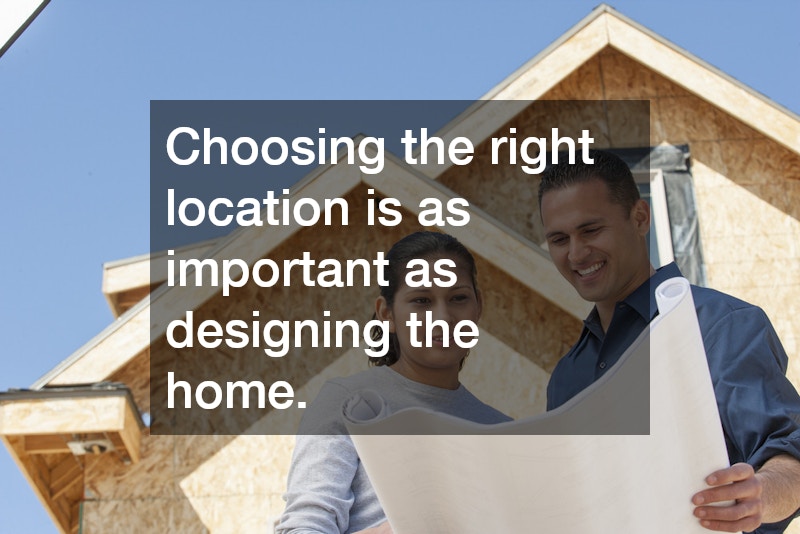
Choosing the right location is as important as designing the home. Factors like neighborhood safety, school districts, proximity to work, and access to amenities influence satisfaction and property value. Zoning laws and land-use restrictions may affect your build, so researching local regulations is crucial. Soil quality, slope, drainage, and utility access can impact construction complexity and cost. Visiting the site and talking to neighbors offers insight into whether the location meets your needs.
Once the budget and location are set, the design phase begins. Working with architects or designers allows you to create a functional blueprint, deciding on layout, room sizes, storage, and space flow. Good design balances aesthetics with practicality. Consider potential lifestyle changes, like growing families or remote work, and plan flexible spaces. Energy efficiency, natural lighting, and sustainable materials can enhance comfort and reduce long-term costs.
How to Choose the Right Builder for Your Home Project?
Finding the right builder is one of the most critical decisions in the home-building process. Start by gathering recommendations from friends, real estate professionals, or local building associations. Online research can also help identify builders with experience in the type of home you want to build. Review portfolios to see examples of completed projects, and verify licenses, insurance, and certifications. A builder’s experience with local regulations and conditions can make a significant difference in efficiency and quality.
Interviewing multiple builders allows you to compare approaches, communication styles, and pricing structures. Ask detailed questions about timelines, subcontractors, warranties, and how changes are handled during construction. Clear, transparent answers are a good sign of professionalism. Be cautious of red flags such as vague estimates, reluctance to provide references, or pressure to make quick decisions. A trustworthy builder will take the time to explain the process and ensure you feel comfortable moving forward.
Speaking directly with past clients provides insight that brochures and websites cannot. Ask about their overall experience, how the builder handled challenges, and whether the project stayed on schedule and within budget. Online reviews can also reveal patterns in customer satisfaction or recurring issues. Visiting completed homes, if possible, allows you to assess workmanship and attention to detail firsthand. This step can give you confidence in your choice and set realistic expectations.
What to Expect During the Construction Process?
The construction process unfolds in several stages, starting with site preparation and foundation work. Once the foundation is set, framing begins, followed by roofing, windows, and exterior finishes. Interior work includes plumbing, electrical systems, insulation, drywall, and flooring. The final stages involve fixtures, cabinetry, painting, and inspections. Timelines vary depending on project size, weather, and complexity, but most builds take several months to complete. Regular communication with your builder helps you stay informed about progress and upcoming milestones.
Delays are a common part of construction, often caused by weather conditions, material shortages, or permitting issues. Flexibility and patience are essential during this phase. When changes arise—whether design modifications or unexpected site conditions—clear communication and written change orders help manage expectations and costs. Staying organized and keeping records of decisions and approvals can reduce misunderstandings and keep the project moving forward.
Quality control is vital throughout the build. Regular site visits, walkthroughs, and inspections ensure work meets agreed-upon standards. Builders must comply with local building codes and regulations, and inspections at key stages verify safety and structural integrity. Hiring an independent inspector can provide additional peace of mind, especially before final approval. Addressing issues promptly helps prevent costly repairs later.
New home construction is a rewarding journey that combines creativity, planning, and collaboration. By understanding the early planning steps, choosing the right builder, and knowing what to expect during construction, you can navigate the process with greater confidence. While challenges are inevitable, preparation and clear communication make them manageable. With the right approach and mindset, building your dream home becomes an exciting and fulfilling experience—one that results in a space designed specifically for you and your future.
About the Author