Water damage is one of the most common and potentially destructive issues homeowners encounter, often developing quietly or striking without warning. Whether caused by plumbing leaks, roof failures, appliance malfunctions, or severe weather, water intrusion can compromise a home’s structural integrity and create conditions that threaten occupant health. Left unaddressed, even minor moisture problems can lead to costly repairs, mold growth, and long-term damage. Understanding how water damage affects both your home and the people living in it is essential for protecting property value, maintaining a safe living environment, and ensuring the well-being of your family.
Common Causes of Water Damage in Homes
Leaking pipes and faulty appliances are major causes of water damage in residential properties. Aging pipes may corrode, crack, or loosen over time, leading to slow leaks that often go unnoticed behind walls or under floors.
Appliances like washing machines, dishwashers, and water heaters can malfunction or wear out, causing sudden spills that damage flooring and cabinetry. Regular maintenance and timely repairs prevent minor leaks from becoming major problems requiring extensive restoration. Homeowners should routinely inspect plumbing connections and appliances for early signs of wear. Preventive measures such as using high-quality materials, replacing aging systems, and installing leak detectors can help with early detection, protecting the home’s structure and reducing health risks. When damage does occur, a professional water damage remediation service can quickly assess and address the affected areas to prevent further deterioration.
Environmental factors like floods, heavy rainfall, and storms are also common contributors to water damage. During severe weather events, basements and first floors are especially vulnerable to flooding, which can destroy flooring, drywall, and insulation. Residents in flood-prone areas should invest in robust flood insurance, proper grading, and effective drainage systems. Installing sump pumps, backflow valves, and waterproof barriers can significantly reduce damage. Because floodwater often carries contaminants, quick action and professional remediation are vital to prevent mold growth and health concerns.
Poor drainage can silently cause long-term water damage. Water that is not properly directed away from the home can seep into basements or crawl spaces, causing cracks and weakening foundations. Homeowners should regularly check drainage channels, gutters, and downspouts to ensure proper functionality and prevent costly structural repairs. Effective drainage involves thoughtful landscaping, routine cleaning, and periodic inspections. These proactive measures enhance resistance against water infiltration, safeguarding a home’s integrity, safety, and long-term value.
Effects of Water Damage on Home Structures
Water damage significantly weakens a home’s structural integrity and overall safety. Persistent moisture can cause wood rot, corrosion of metal components, and drywall deterioration, which can escalate into serious structural hazards if ignored. Common indications include sagging floors, warped wood, peeling paint, and visible water stains. Regular inspections help catch early warning signs before extensive repairs are needed. Moisture control measures such as dehumidifiers, proper ventilation, and timely drying reduce the spread of damage. Using high-quality, moisture-resistant materials during repairs adds an extra layer of protection against future incidents.
Mold growth resulting from water damage poses both structural and health-related risks. Mold feeds on organic materials like wood and drywall, accelerating deterioration while producing stains and unpleasant odors. Mold spores can contaminate indoor air, triggering allergies, asthma, and other respiratory conditions. Immediate intervention, often through a professional water damage remediation service, is crucial to stop mold growth and safely remove affected materials. Mold-resistant products and proper moisture management help deter future outbreaks, sustaining both structural integrity and indoor air quality.
Water damage to electrical systems creates serious fire hazards and electrocution risks. Electrical wiring exposed to moisture may corrode or short-circuit, compromising system reliability. Flickering lights, tripped circuit breakers, or burning smells can indicate hidden damage. Professional inspections and repairs are essential to restore safety. Waterproofing electrical components and elevating outlets in vulnerable areas minimize future risks, protecting both property and lives.
Health Risks Associated with Water Damage
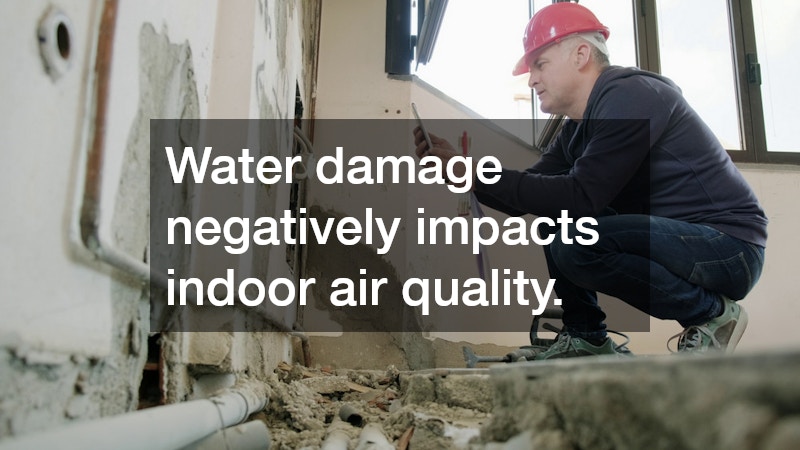
Water damage negatively impacts indoor air quality, often leading to respiratory issues. Mold releases airborne spores that can worsen asthma, allergies, and other breathing conditions. Eliminating moisture sources and thoroughly drying affected areas are critical first steps. Air purifiers, proper ventilation, and humidity control further improve air quality. In more severe cases, professional remediation may be required to fully address lingering contaminants. Consistent moisture control helps prevent long-term respiratory complications.
Water damage also creates an environment conducive to bacterial growth, which poses additional health risks. Bacteria thrive in damp conditions, potentially leading to skin infections, gastrointestinal illness, and other health concerns. Prevention starts with prompt cleanup, disinfection, and thorough drying of affected spaces. A qualified water damage remediation service can provide comprehensive sanitization and ensure hidden moisture is eliminated. Regular inspections and maintenance reduce the likelihood of recurring bacterial growth.
Children, elderly individuals, and those with pre-existing health conditions are especially vulnerable to the effects of water damage. These groups require closer monitoring for signs of moisture, mold, or air quality issues. Maintaining a clean, dry environment is essential to protect their health. Dehumidifiers and air purifiers help minimize airborne risks, while professional guidance ensures proper remediation. Proactive upkeep and timely intervention play a critical role in preventing health complications and maintaining a safe home environment for all occupants.
Prevention and timely intervention play a critical role in minimizing water damage. Proactive steps such as regular maintenance and responding quickly to early warning signs help protect property investments and enhance overall quality of life. These measures reduce the risk of costly repairs and potential health concerns. Ongoing vigilance and awareness support a safe and secure home environment. Homeowners should prioritize protecting their properties through routine professional inspections and necessary repairs. Investing in prevention ultimately means investing in family safety, long-term well-being, and lasting peace of mind.
About the Author