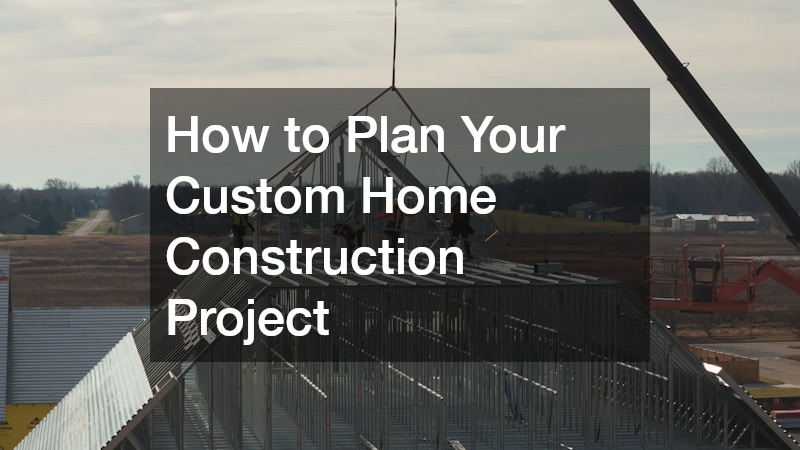
Building a custom home is an exciting yet complex endeavor. It requires careful planning and consideration to ensure the final result meets your expectations. This article aims to guide you through the various steps and decisions involved in planning your custom home construction project.
What is the Process of Planning a Custom Home?
Understanding Your Needs and Budget
Determining the specific needs of your custom home is the first and most crucial step in the planning process. This involves considering factors such as the size of your family, lifestyle preferences, and any specific wants or needs.
Establishing a clear budget from the onset helps prevent financial overruns and ensures that the project remains feasible. A well-defined budget also allows you to make informed decisions about materials and design features.
Accurate budgeting is vital, as the cost of building a custom home can vary widely depending on location, materials, and design complexity. Incorporating a reasonable contingency fund for unexpected costs is a prudent practice.
Selecting a Suitable Location
Choosing the right location for your custom home significantly impacts both your lifestyle and the investment value of the property. Consider factors such as proximity to work, school, and leisure activities.
The neighborhood’s characteristics, such as community amenities, safety, and future development plans, should also influence your decision. A thorough analysis of the location helps in predicting long-term satisfaction and property value appreciation.
Site-specific factors like topography, soil quality, and access to utilities can greatly affect construction logistics and costs. Engaging with a local real estate expert can provide insights into these aspects.
How to Choose the Right Architect and Builder?
Research and Referrals
Gathering recommendations from friends, family, and industry professionals can provide a reliable starting point in your search for architects and builders. Online reviews and testimonials further bolster the credibility of potential candidates.
Conducting thorough research is necessary to verify the credentials and reputation of the professionals you are considering. Licensing, certifications, and memberships in professional organizations are key indicators of an architect or builder’s reliability.
Local homebuilder associations can also be a valuable resource in connecting you with reputable builders who understand the codes and standards of your chosen location. Factoring in these considerations will help you select a competent team.
Evaluating Experience and Portfolios
Assessing the experience and portfolios of architects and builders ensures that their style aligns with your vision. Reviewing previous projects provides insight into their design approach and execution quality.
A builder’s or architect’s ability to deliver projects on schedule and within budget is an important aspect of their track record. Testimonials from past clients can reveal their effectiveness in managing these aspects.
Transparency in communication and responsiveness also play a crucial role during the collaborative home-building process. Choosing a team that prioritizes your input and concerns throughout the project enhances the overall experience.
What Factors Should Be Considered During the Design Phase?
Functional Layout Design
Creating a functional layout is crucial for ensuring that your home meets your daily needs comfortably. Prioritize aspects like room flow, space utilization, and future flexibility of the design.
Incorporating both your current lifestyle and potential future changes, such as aging-in-place considerations, can make your home adaptable over time. Thoughtful design helps avoid costly renovations down the line.
The layout should also factor in privacy and acoustics to enhance the quality of life. Tailoring these elements to your preferences leads to a harmonious living environment.
Incorporating Sustainable and Energy-Efficient Features
Integrating sustainable and energy-efficient features in your home design reduces your environmental footprint and contributes to long-term cost savings. Elements such as solar panels, high-efficiency HVAC systems, and sustainable materials are integral to green building.
Optimizing the home’s orientation to maximize natural light and ventilation can significantly enhance energy efficiency. Passive solar design strategies can lead to a comfortable indoor climate with minimal energy use.
Certifications like LEED provide a framework for implementing eco-friendly designs and can improve the resale value of your home. These practices not only benefit the planet but also promote health and well-being for occupants.
By addressing the major aspects of planning a custom home construction project, such as selecting the right team, understanding the design process, and considering sustainable practices, you set the foundation for a successful and satisfying home-building experience. Careful consideration of each step ensures that your dream home not only meets your expectations but also stands the test of time.

About the Author