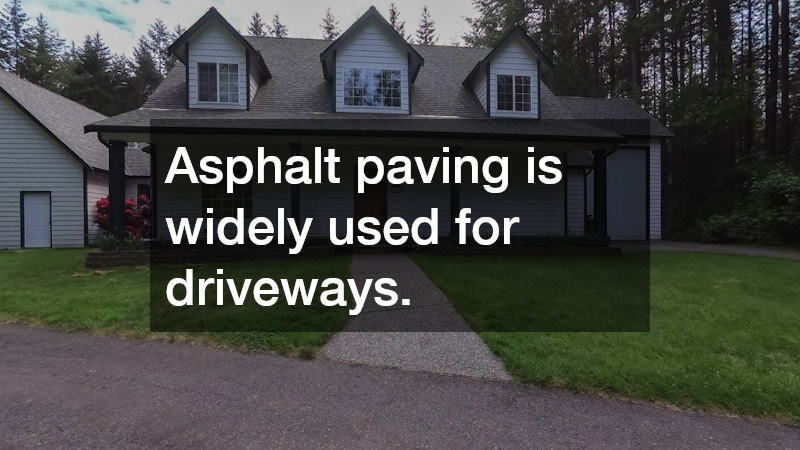
Asphalt paving is widely used for driveways, parking lots, and private roads because it balances durability, affordability, and clean appearance. While asphalt is designed to withstand regular traffic and weather exposure, its lifespan is not fixed. Longevity depends on installation quality, environmental conditions, and how well the surface is maintained over time. This article explains how long asphalt paving typically lasts, what factors influence its durability, and which maintenance practices help extend its service life through proactive care and timely repairs.
How Long Does Asphalt Paving Typically Last?
Several variables directly affect how long asphalt paving performs as intended. Climate is one of the most influential factors.
Regions with extreme heat, freezing temperatures, or frequent freeze-thaw cycles place additional stress on asphalt surfaces, accelerating wear. Heavy rainfall or poor drainage can also undermine the sub-base, leading to structural failure from below. Usage frequency and load weight matter as well. Residential driveways experience lighter traffic than commercial parking lots or access roads used by delivery vehicles. Repeated exposure to heavy loads can cause depressions, cracking, and premature fatigue if the asphalt thickness or base preparation is insufficient. The quality of the sub-base itself is critical, as a poorly compacted or unstable foundation will shorten the lifespan of even well-laid asphalt.
Under normal conditions and with proper maintenance, asphalt paving typically lasts between 15 and 30 years. Residential applications often fall on the higher end of this range, particularly when the surface is sealcoated and repaired regularly. Commercial surfaces may experience shorter lifespans due to heavier traffic but can still achieve long-term performance with a structured maintenance plan. It is important to note that asphalt does not fail suddenly. Instead, it degrades gradually, offering clear opportunities for intervention. Routine maintenance can significantly delay the need for full replacement and preserve structural integrity well beyond the minimum expected lifespan.
As asphalt ages, several visual and structural indicators begin to appear. Surface cracking is one of the earliest and most common signs. Small hairline cracks may seem cosmetic at first but can expand rapidly if left untreated. Fading color and a dry, brittle appearance suggest oxidation, which weakens the asphalt binder. More advanced deterioration includes potholes, raveling (loose aggregate), and pooling water. These signs often indicate deeper issues with drainage or base stability. When multiple symptoms are present across a large area, it may signal that the pavement is nearing the end of its usable life.
What Are Essential Asphalt Maintenance Tips?
Regular cleaning plays an important role in preserving asphalt surfaces. Dirt, leaves, and debris trap moisture and accelerate surface breakdown, especially in shaded areas. Oil and fuel stains should be removed promptly, as petroleum-based substances soften asphalt and weaken its structure over time. Simple practices such as sweeping, occasional washing, and keeping edges clear of vegetation help maintain both appearance and performance. Clean surfaces also make it easier to spot early signs of damage before they worsen.
Crack sealing is one of the most effective ways to extend the life of asphalt paving. Even small cracks allow water to penetrate the surface, leading to erosion of the base layer and expansion during freezing conditions. Sealing cracks early prevents moisture infiltration and slows the progression of damage. Larger cracks or localized surface failures may require patching rather than sealing. Addressing these issues promptly reduces the likelihood of potholes and preserves surrounding pavement. Many property owners rely on professional paving services to assess damage severity and apply the correct repair methods.
Sealcoating provides a protective barrier that shields asphalt from UV rays, water, oil spills, and oxidation. Applied every two to four years, sealcoating restores surface flexibility and enhances appearance by maintaining a rich, dark finish. Beyond aesthetics, sealcoating slows surface wear and reduces the formation of cracks. While it does not repair structural issues, it is a cost-effective preventive measure that significantly extends pavement life when used consistently.
How Does Weather Affect Asphalt Longevity?
Temperature changes cause asphalt to expand and contract. In hot conditions, asphalt softens, making it more susceptible to indentation from parked vehicles or heavy loads. In cold climates, contraction and freezing moisture can lead to cracking and surface separation. Repeated freeze-thaw cycles are especially damaging, as water enters cracks, freezes, expands, and forces the asphalt apart. Over time, this cycle accelerates deterioration if not managed through maintenance and proper drainage.
Water is one of the most damaging elements for asphalt paving. Prolonged moisture exposure weakens the sub-base and reduces load-bearing capacity. Poor drainage allows water to pool on the surface, increasing infiltration and accelerating structural breakdown. Moisture damage often starts beneath the surface, making it difficult to detect until visible signs appear. This underscores the importance of addressing minor surface issues early and ensuring proper grading and runoff management.
Protecting asphalt from weather-related damage begins with good drainage. Ensuring water flows away from the pavement surface reduces infiltration risk. Sealcoating adds another layer of protection by limiting moisture penetration and UV exposure. Prompt crack sealing, edge maintenance, and periodic inspections after severe weather events help prevent small issues from escalating. Partnering with experienced paving services for routine evaluations can provide long-term cost savings by identifying problems before they require extensive repairs.
Asphalt paving can deliver decades of reliable performance when properly installed and maintained. While environmental conditions, traffic load, and base quality all influence lifespan, regular maintenance remains the most controllable factor. Routine cleaning, timely crack repair, and scheduled sealcoating protect the surface from water, weather, and wear. By adopting a proactive approach and addressing issues early, property owners can maximize durability, maintain appearance, and delay costly replacement—ensuring their asphalt surfaces remain functional and dependable for years to come.
About the Author