Understanding the urgency and initial steps required when you discover a leaky roof in your home could make a significant difference in managing potential damage and repair costs. Roof leaks can often escalate quickly, leading to extensive damage if not promptly addressed.
Immediate identification and action are crucial to mitigating costs and ensuring the safety of your home. Homeowners should familiarize themselves with the signs and causes of roof leaks to take swift and effective action.
In this article, we will explore how to identify a leak, temporary solutions to safeguard your home, and when to seek professional assistance. This comprehensive guide aims to equip homeowners with the knowledge necessary to handle roof leaks efficiently and effectively.
Identifying the Source of the Leak
Visual inspection is the first step in identifying the source of a roof leak. Begin by examining the ceilings and walls inside your home for discolored spots and water stains.
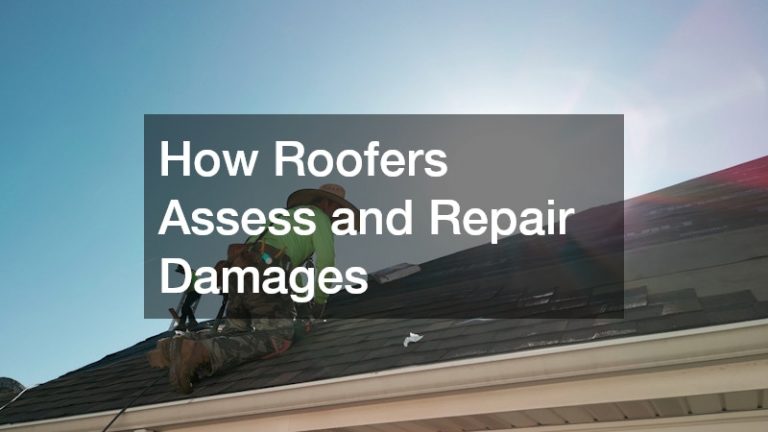
Next, proceed to inspect the roof from the outside, watching for missing, cracked, or damaged shingles. Utilize binoculars to scan the roof for any irregularities if a close inspection is not safe.
Safety should always be your priority when inspecting your roof. Avoid climbing onto the leaky roof if the surface is wet or icy to prevent accidents.
Water testing can help locate leaks that are not easily visible through a preliminary inspection. Enlist the help of an assistant to monitor for signs of water entry inside while you gently spray water on different roof sections.
Focus your efforts on areas that are more prone to leakage, such as skylights, chimneys, and vent pipes. Often, leaks can form around these features due to improper sealing or wear over time.
Ensure you conduct this test in a controlled manner, ensuring drainage paths are clear to avoid accidental water pooling. This method should be used with caution and preferably in dry weather.
Taking Immediate Actions to Minimize Damage
Once the leak’s location is determined, taking immediate steps to prevent further water damage is critical. Temporary patches using plastic sheeting can be effective in blocking water entry.
Use roofing tape or tarps to cover the affected area as a stopgap measure. These solutions are not meant to be permanent, but they provide protection while awaiting professional repair.
Regular monitoring of the patched area during wet conditions is essential, ensuring the temporary fixes hold until more comprehensive repairs can be made. It’s advisable to also check your attic for signs of water intrusion, as water can travel along rafters and manifest in unexpected areas.
Upon discovering a leak, quickly assess the extent of interior water damage. Prioritize moving valuable or sensitive items away from affected areas to prevent further harm.
Use buckets to catch dripping water, and dry out damp spots with fans or dehumidifiers to minimize moisture buildup. These interventions help protect your home’s interior and prevent mold growth.
Document any visible damage for insurance purposes, taking photographs before initiating cleanup efforts. Accurate records can expedite claim processes and ensure adequate coverage for repairs.
Knowing When to Call Professional Roofing Services
Evaluating the severity and complexity of the roof leak will help determine if professional services are needed. Small leaks can often be temporarily managed, but recurring or multifaceted leaks typically require expert intervention.
Understanding that even minor leaks can progressively worsen over time emphasizes the necessity of timely repairs. If there is visible structural damage or uncertainty about the repair process, consulting a professional is advisable.
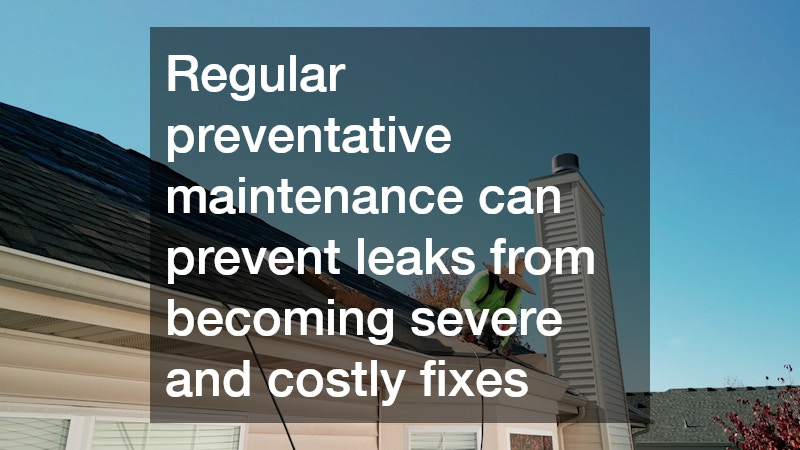
Regular preventative maintenance can prevent leaks from becoming severe and costly fixes. Professional assessments ensure comprehensive evaluation and correction of any underlying issues.
Selecting the right professional is crucial for ensuring quality repairs and protecting your home investment. Researching and verifying credentials, customer reviews, and certifications is an essential step in this process.
Obtaining multiple estimates can help in comparing anticipated costs and services offered. A reputable roofing service will provide clear communication about project timelines, materials used, and costs involved.
Consider professionals who offer warranties or guarantees on their work to ensure peace of mind. A reliable roofer will prioritize client satisfaction and stand by their craftsmanship.
A leaky roof is an urgent issue that requires prompt, effective action to minimize damage and costs. Homeowners should immediately attempt to identify the leak source and implement temporary fixes to safeguard their homes.
Understanding the importance of professional intervention and knowing how to select a qualified roofing contractor are also key. By taking these steps, homeowners can ensure the longevity and integrity of their roofing system.
Managing a roof leak promptly and effectively protects not just the physical structure of a home but also preserves the comfort, safety, and security of its residents. Always keep the contact details of a trusted roofing professional handy for emergencies, ensuring you are prepared to act swiftly when a leak is discovered.
About the Author